
Introduction
Games have been an integral part of human life for centuries. From ancient board games to modern video games, they offer more than entertainment—they teach, challenge, and connect people. Games come in many forms, including physical sports, puzzles, strategy games, role-playing games, and digital experiences. They engage the mind and body, foster creativity, and build social connections. This blog explores the impact of games on individuals, communities, education, and society, highlighting why games are much more than just pastimes.
The Origins of Games
Games have existed since the earliest civilizations. Ancient Egyptians played Senet, a board game considered one of the oldest in the world, while Mesopotamians developed strategy-based games like the Royal Game of Ur. Many games were not only recreational but also educational, teaching strategy, patience, and resource management. Over centuries, games evolved to reflect culture, social hierarchy, and technological advances. Traditional games such as chess, backgammon, and tag laid the foundation for the diverse forms of play we enjoy today.
The Psychological Benefits of Games
Games stimulate the mind and improve cognitive abilities. Strategic games like chess, card games, and puzzle games enhance critical thinking, memory, and problem-solving skills. Role-playing and simulation games encourage creativity and planning, while cooperative games teach negotiation and teamwork. Playing games can also improve mental resilience, patience, and adaptability. Engaging in regular gameplay offers stress relief, providing a mental break from daily challenges and fostering a sense of achievement and satisfaction.
Physical Benefits of Active Games
Physical games and sports offer numerous health benefits. Activities like soccer, basketball, swimming, and martial arts enhance cardiovascular health, strength, and flexibility. They also improve coordination, balance, and motor skills. Even traditional outdoor games like tag, hopscotch, or hide-and-seek promote movement and physical fitness. For children, physical play encourages growth, energy management, and social interaction, while adults benefit from improved health, reduced stress, and increased energy levels. Active games are crucial for maintaining a balanced lifestyle.
Social Benefits of Games
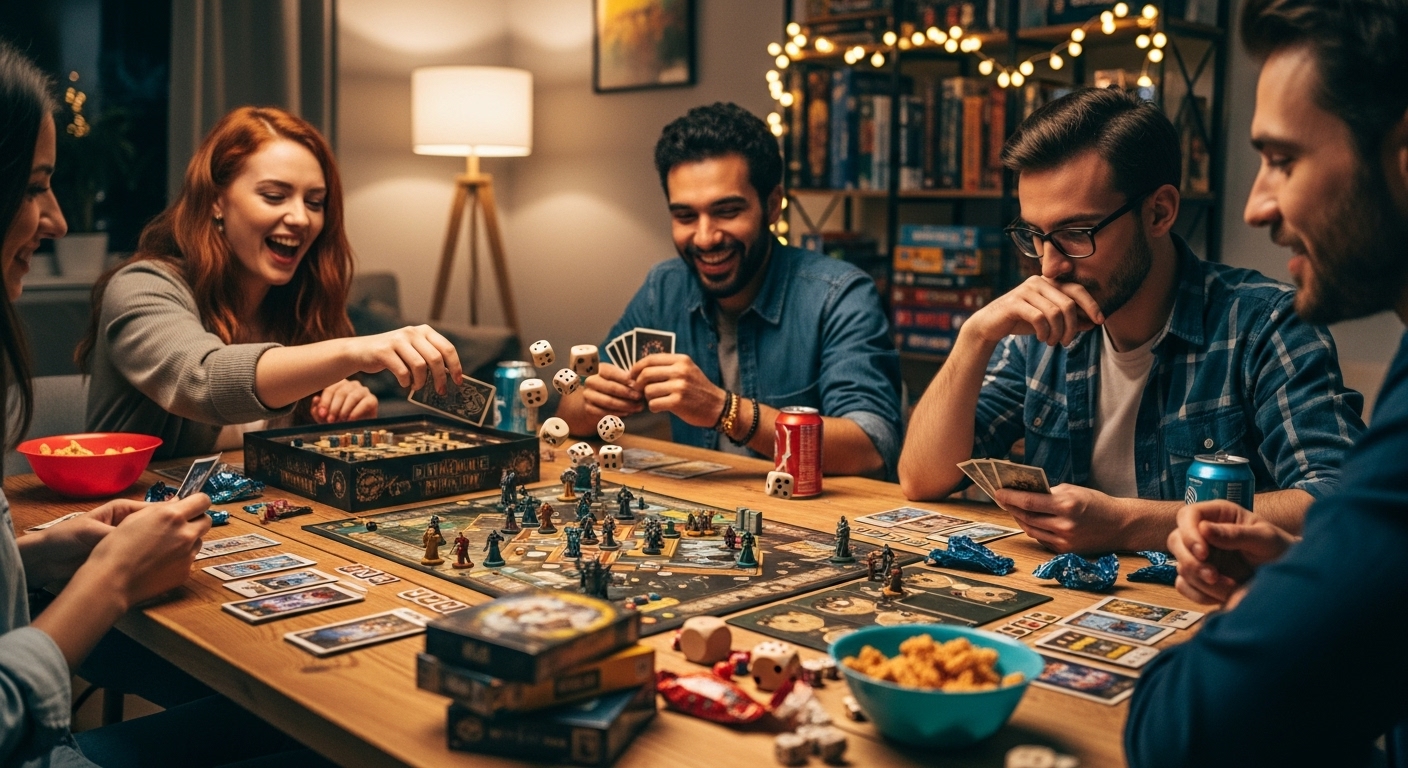
Games are powerful tools for building social connections. Multiplayer games, whether board games, team sports, or online video games, foster communication, teamwork, and empathy. Cooperative games encourage collaboration, negotiation, and mutual respect, while competitive games teach fairness, patience, and handling victories and defeats gracefully. Social interaction through games helps individuals develop stronger relationships, reduces loneliness, and builds communities. Even casual gaming among friends or family strengthens bonds and creates shared experiences.
The Role of Video Games in Modern Life
Video games have become a dominant form of entertainment and education. Modern games offer immersive experiences with rich storytelling, strategic challenges, and social interaction. Genres range from first-person shooters and adventure games to simulations, puzzles, and educational titles. Video games enhance hand-eye coordination, spatial awareness, and multitasking skills. Many games encourage creativity, problem-solving, and goal-setting, while online multiplayer platforms allow players to collaborate and compete globally. Video gaming has also become a major industry, offering careers for professional players, designers, and content creators.
Games as Educational Tools
Games are increasingly used as educational tools to teach a variety of skills. Simulation games help students understand real-world systems, strategy games teach planning and critical thinking, and puzzle games enhance problem-solving abilities. Educational games make learning engaging, interactive, and memorable, motivating students to participate actively. Many schools and educational institutions incorporate games into curricula to enhance cognitive skills, teamwork, and creativity. The integration of games into education demonstrates their value beyond entertainment.
Cultural Significance of Games
Games often reflect cultural values, history, and traditions. Traditional games vary across countries and regions, showcasing unique customs, storytelling, and social practices. For example, board games like Go in East Asia and Mancala in Africa have deep cultural significance, teaching strategy and social interaction. Modern video games also incorporate cultural narratives, music, and visual art, exposing players to diverse cultures and perspectives. Games preserve heritage, celebrate creativity, and foster cultural exchange in both traditional and digital formats.
Economic Impact of Games
Games have become a major economic driver worldwide. The video game industry generates billions of dollars annually through game sales, streaming, merchandise, and tournaments. Professional gaming, or esports, creates careers for players, coaches, commentators, and event organizers. Board games and tabletop games have thriving markets, with designers, publishers, and retailers benefiting economically. Additionally, games stimulate technology development, including graphics, software, and virtual reality. The economic influence of games extends to education, tourism, and entertainment, making them a significant contributor to global economies.
Games and Technology
Advances in technology have transformed how games are played, designed, and experienced. Virtual reality, augmented reality, and mobile gaming have expanded the possibilities for immersive play. Online platforms allow multiplayer gaming across continents, fostering global competition and collaboration. Technology also enables detailed analytics, performance tracking, and adaptive learning in educational games. The synergy between games and technology continues to innovate, enhancing experiences, accessibility, and engagement for players of all ages.
Games and Personal Development
Games contribute to personal growth by teaching discipline, patience, and perseverance. Strategic and role-playing games encourage planning, adaptability, and long-term thinking. Competitive games teach resilience, goal-setting, and handling setbacks gracefully. Games also nurture creativity, imagination, and problem-solving abilities. For children, games help develop social and emotional skills, while adults benefit from cognitive stimulation, stress relief, and mental agility. In this way, games serve as both a source of enjoyment and a tool for self-improvement.
Games in Communities
Local communities benefit from games through social interaction, events, and tournaments. Board game cafes, esports arenas, and community centers provide spaces for people to connect, collaborate, and compete. Games encourage inclusivity, breaking barriers of age, gender, and social background. Community gaming events strengthen bonds, provide mentorship opportunities, and foster a sense of belonging. Games act as social glue, creating safe and engaging environments where individuals can interact, learn, and grow together.
The Future of Games
The future of games is bright and full of possibilities. Emerging technologies like artificial intelligence, virtual reality, and augmented reality will create increasingly immersive experiences. Games will continue to integrate education, social interaction, and entertainment, blurring the lines between play and learning. The expansion of professional gaming, esports, and global online communities will offer more opportunities for engagement, career development, and cultural exchange. As society evolves, games will remain a central part of human life, adapting to new technologies, social trends, and creative possibilities.
Conclusion
Games are far more than simple pastimes—they are a reflection of human creativity, culture, and intelligence. They entertain, educate, and connect people across generations and geographies. Whether physical, board-based, or digital, games foster social interaction, cognitive development, personal growth, and cultural appreciation. They impact economies, communities, and education, proving that their value extends beyond leisure. In a rapidly changing world, games continue to evolve, remaining a vital and enriching part of human life. They are not just entertainment; they are a lens through which we understand, engage, and shape our society.