Introduction: The Timeless Allure of Games
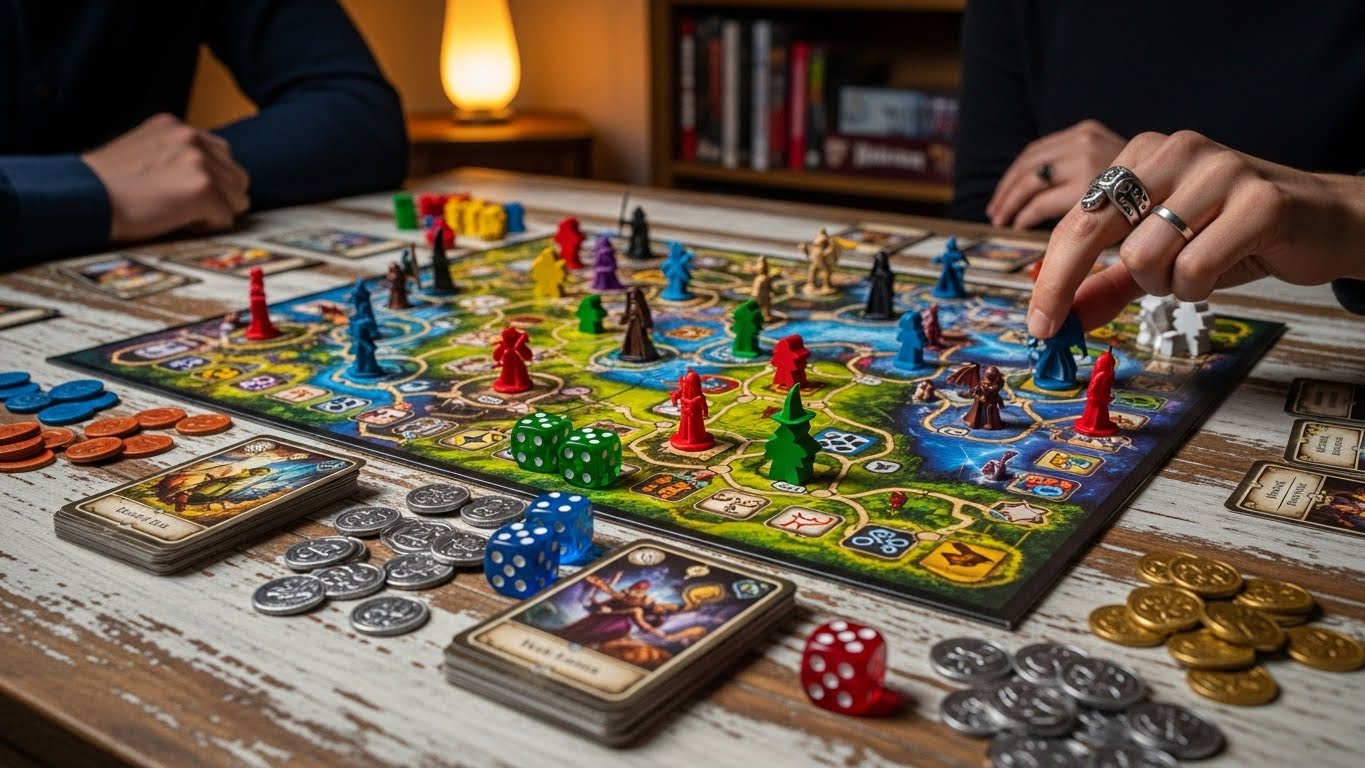
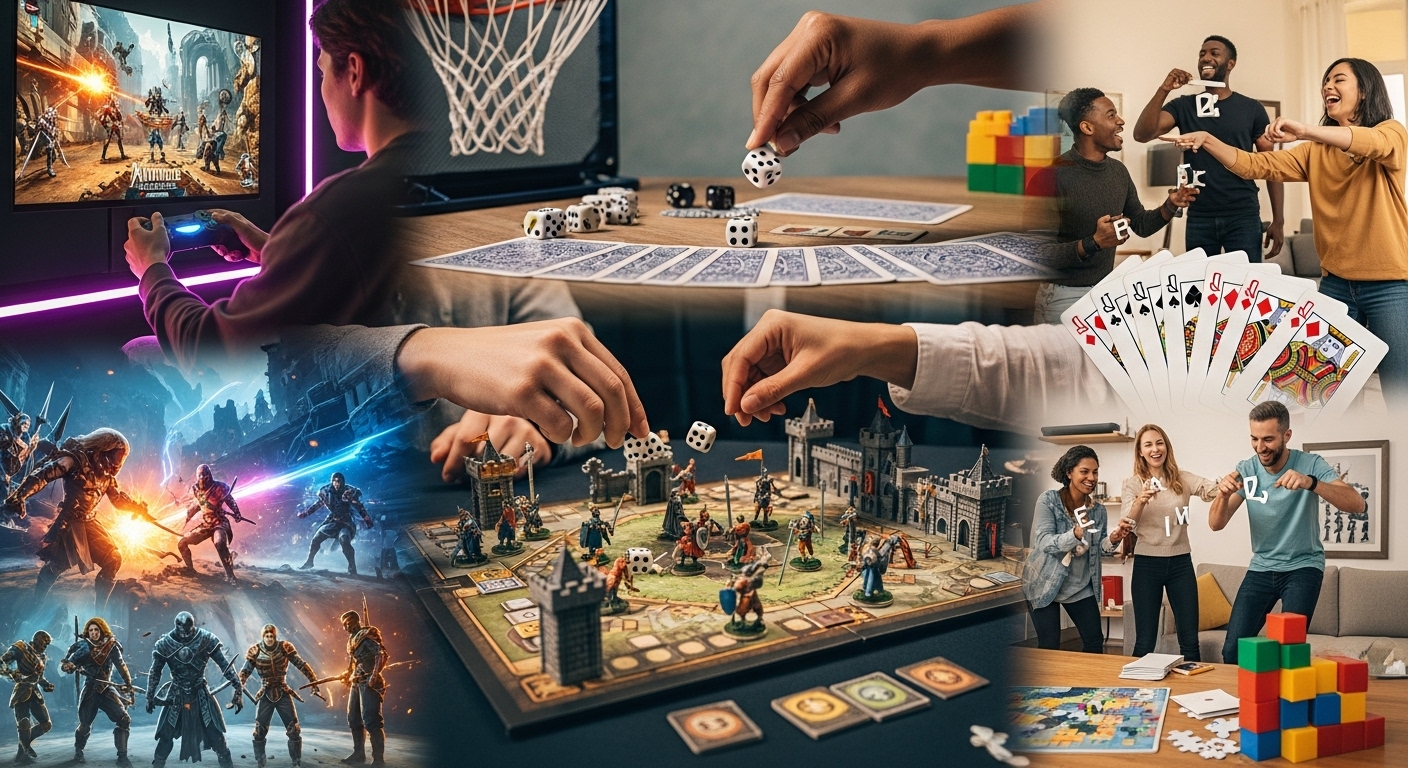
From ancient board games carved into stone to modern virtual worlds built from pixels, games have always been a core part of human life. They entertain us, challenge us, teach us, and often bring us together. The concept of play is universal, transcending cultures and generations. In today’s digital world, gaming is not just a pastime but a thriving industry, a social platform, and even an educational tool. It reflects creativity, innovation, and human connection in ways few other mediums can.
The Origins of Gaming: From Stones to Screens
The story of gaming begins long before electricity or computers existed. Archaeological discoveries show that humans have been playing games for thousands of years. Ancient civilizations like Egypt and Mesopotamia had their own board games, such as Senet and the Royal Game of Ur, used for entertainment and even spiritual rituals. These early games were not only about fun; they often reflected cultural beliefs and strategies that mirrored life’s challenges.
With the invention of chess in India and Go in China, gaming became a form of intellectual exercise. It was about thinking ahead, predicting opponents’ moves, and developing patience. These qualities made games not only a leisure activity but also a tool for sharpening the human mind.
The Birth of Modern Gaming
Fast forward to the 20th century, and the invention of computers changed everything. The first digital games, such as Spacewar! and Pong, appeared in the 1960s and 1970s. What started as small experiments quickly evolved into a full-blown cultural phenomenon. The arrival of home consoles in the 1980s brought gaming into living rooms, with iconic titles like Super Mario Bros., The Legend of Zelda, and Pac-Man defining an entire generation.
Arcades became social hubs where players competed for high scores, fostering a sense of community and friendly rivalry. These early years laid the foundation for the massive and diverse gaming industry we know today.
The Technological Evolution of Games
The growth of gaming has always been tied to advances in technology. As computers became faster and more powerful, developers created more complex and visually stunning experiences. The transition from 2D to 3D graphics revolutionized the industry, allowing players to explore vast virtual worlds in games like Tomb Raider and Final Fantasy.
The internet then brought multiplayer gaming to the forefront, connecting players from around the world. Online games transformed gaming into a global community where people could compete, collaborate, and communicate in real time. Today, technologies such as virtual reality, augmented reality, and artificial intelligence are pushing the boundaries even further, creating immersive experiences that feel more lifelike than ever before.
Games as a Cultural Force
Games are not just entertainment—they are cultural artifacts that reflect and influence society. Many video games tell stories as rich and complex as books or movies, exploring themes of heroism, morality, identity, and survival. Titles like The Last of Us, Red Dead Redemption, and Journey have proven that games can evoke deep emotional responses and deliver meaningful narratives.
In addition to storytelling, games also shape culture through their communities. Esports, streaming platforms, and fan conventions have created spaces where millions gather to celebrate their favorite games and players. Gaming has become a shared language that unites people of different backgrounds, making it one of the most inclusive and global forms of entertainment today.
The Psychology of Play
Why do humans love games so much? Psychologists have long studied the impact of play on the human brain. Games trigger the release of dopamine, a chemical associated with pleasure and motivation. They give players a sense of achievement through challenges, rewards, and progression systems.
Moreover, games provide a safe space for experimentation. Players can make mistakes, learn, and try again without real-world consequences. This promotes problem-solving, creativity, and adaptability. Educational games, for instance, are increasingly used to teach students subjects like math, science, and history through interactive learning.
Games also serve as an escape, offering relaxation and stress relief. In a world filled with pressure and uncertainty, the immersive nature of gaming provides a temporary retreat where people can unwind and find joy.
The Rise of Mobile and Casual Gaming
The introduction of smartphones brought gaming to everyone’s fingertips. Mobile games transformed the industry by reaching audiences who had never considered themselves “gamers.” Titles like Candy Crush, Clash of Clans, and Among Us have become household names, attracting millions of players worldwide.
The accessibility of mobile gaming is one of its biggest strengths. Anyone with a smartphone can play a game, whether they have a few minutes on a break or hours to spare. This democratization of gaming has helped the industry grow beyond traditional consoles and computers, making play a part of everyday life.
The Social Dimension of Gaming
Contrary to the old stereotype of gamers being isolated, today’s games are deeply social. Multiplayer games and online platforms encourage communication, teamwork, and collaboration. Players form friendships, guilds, and even lifelong relationships through shared gaming experiences.
Games like Fortnite, Minecraft, and Roblox have become digital social spaces where people hang out, create, and interact. These games are more than just entertainment—they are virtual communities where creativity thrives. With voice chat, social features, and in-game events, gaming has become an essential form of social interaction, especially among younger generations.
Gaming as a Professional Career
The idea of playing games as a career would have sounded absurd a few decades ago, but today it is a reality. Esports has turned competitive gaming into a billion-dollar industry. Professional players train rigorously, compete in international tournaments, and earn sponsorships just like traditional athletes.
Streaming and content creation have also opened new career paths. Platforms dedicated to live gaming broadcasts allow individuals to entertain millions while sharing their skills and personalities. This new ecosystem has created influencers, commentators, and entrepreneurs who thrive in the gaming world.
Educational and Therapeutic Benefits of Games
Beyond entertainment, games have found important uses in education and therapy. Educational games engage students through interactive learning, helping them understand complex subjects in fun ways. Simulation games are used to train professionals in fields like medicine, aviation, and engineering.
Therapists use games to help patients with cognitive rehabilitation, mental health improvement, and emotional expression. Studies show that games can improve memory, coordination, and problem-solving skills. For individuals with anxiety or depression, games provide a sense of control and achievement that contributes positively to emotional well-being.
Challenges Facing the Gaming Industry
Despite its success, the gaming industry faces several challenges. Issues such as addiction, toxicity in online communities, and data privacy concerns have sparked debates about responsible gaming. Developers and policymakers are working to create safer environments, promote digital well-being, and encourage balance between gaming and real-life activities.
Another major challenge is inclusivity. While the industry has made progress in representing diverse characters and stories, there is still room for improvement in ensuring equal opportunities for developers and players regardless of gender, background, or ability.
The Future of Gaming: A New Era of Innovation
As we look ahead, the future of gaming is full of possibilities. Virtual and augmented reality are creating new dimensions of play, where physical and digital worlds merge seamlessly. Artificial intelligence is making games smarter and more adaptive, tailoring experiences to individual players.
The next frontier lies in cloud gaming, which allows people to stream games directly without expensive hardware. This technology will make gaming even more accessible, breaking barriers of cost and location. Additionally, advances in storytelling and interactivity will make games more emotionally engaging and lifelike.
Sustainability is also becoming a focus, with developers seeking eco-friendly ways to produce and distribute games. The growing awareness of gaming’s environmental footprint is inspiring change throughout the industry.
The Cultural Legacy of Games
Games have grown far beyond being toys or simple diversions. They are art, technology, and communication all rolled into one. They inspire creativity, foster connection, and reflect the values of their time. Whether through classic board games played with family or massive multiplayer worlds shared by millions, gaming remains one of humanity’s most powerful and enduring forms of expression.
As each generation of players grows up, games continue to evolve with them—constantly adapting to new technologies, ideas, and challenges. They remind us that play is not just for children; it is a fundamental part of being human.
Conclusion: A World United by Play
The story of gaming is the story of human imagination. It shows how creativity, competition, and curiosity drive progress. From ancient dice games to futuristic virtual realities, the essence of gaming remains the same: to challenge, to entertain, and to connect us.
Games are more than just pastimes—they are reflections of who we are and what we aspire to be. They unite people across borders and generations, proving that play is not only powerful but essential to human life. As technology advances and creativity continues to flourish, the world of games will keep inspiring us, shaping our culture, and defining the future of entertainment.