
Introduction: The Power of Games
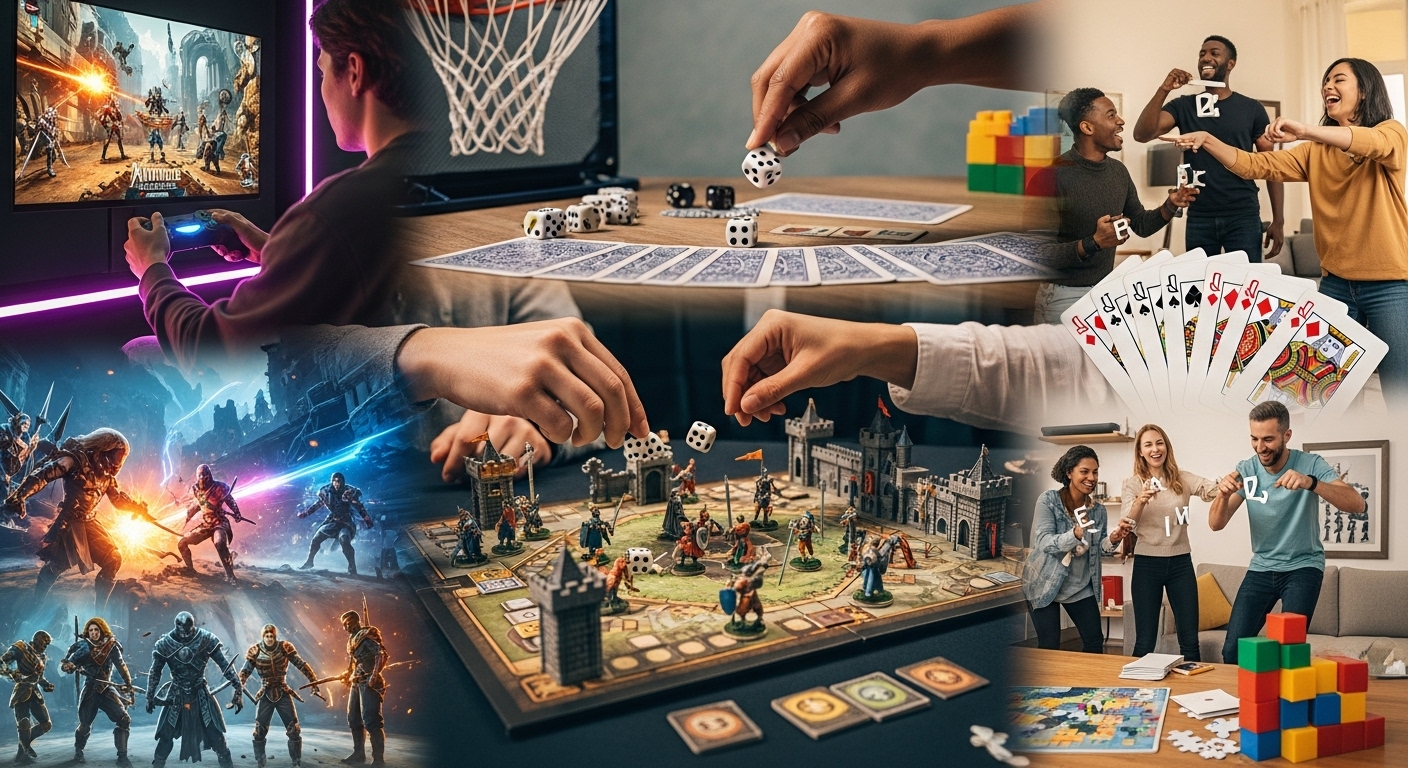
Games have been an essential part of human civilization for centuries. From ancient board games like Senet and Go to contemporary digital gaming, they offer more than just fun—they reflect culture, teach skills, and connect people across the world. In modern society, games have evolved from casual pastimes to a global industry influencing entertainment, technology, and social interaction.
The appeal of games lies in their diversity and adaptability. They can entertain, challenge, educate, and even simulate real-world scenarios. In today’s digital era, gaming has become more than a hobby—it is a lifestyle, a community, and an innovative platform for creativity.
The Evolution of Games
Games have undergone remarkable transformations throughout history. Early civilizations used games to educate, socialize, and entertain. Chess, one of the most enduring games, originated centuries ago as a reflection of strategy, tactics, and societal hierarchy. Similarly, card games like poker and bridge provided both entertainment and social interaction.
The 20th century saw the rise of board games, arcade games, and early video games. The introduction of personal computers and gaming consoles in the 1970s and 1980s revolutionized how people played. Games moved from public spaces into homes, creating an industry driven by technology, creativity, and imagination.
Today, games have become highly immersive, interactive, and socially connected. Modern gaming platforms use advanced graphics, artificial intelligence, and network connectivity to deliver experiences that were once unimaginable. From virtual worlds to multiplayer online games, the evolution of gaming reflects human ingenuity and technological progress.
Types of Games
The gaming world is incredibly diverse, offering experiences for every taste and interest. Understanding the main types of games helps illustrate their appeal and societal impact.
Board and Card Games
Board and card games have been staples of human recreation for centuries. Games like Monopoly, Scrabble, and Settlers of Catan combine strategy, luck, and social interaction. Card games, including poker and collectible card games like Magic: The Gathering, emphasize critical thinking, probability, and competition. These traditional games remain relevant today, often adapted into digital formats for online play.
Video Games
Video games dominate the modern gaming industry. They range from casual mobile games to intricate console and PC titles. Popular genres include action, adventure, role-playing, strategy, simulation, and sports. Video games offer rich storylines, stunning visuals, and interactive mechanics that provide a level of immersion unmatched by traditional games.
Role-Playing Games
Role-playing games (RPGs) allow players to step into the shoes of characters in fictional worlds. Players make choices that influence the story, develop skills, and engage in problem-solving. RPGs encourage creativity, critical thinking, and collaboration, whether played on tabletop settings like Dungeons & Dragons or digital platforms like Final Fantasy and The Elder Scrolls.
eSports and Competitive Gaming
Competitive gaming, or eSports, has transformed gaming into a spectator sport. Professional players compete in global tournaments for games like League of Legends, Dota 2, and Counter-Strike. eSports creates opportunities for careers, sponsorships, and media production, while also building large communities of fans and enthusiasts.
Educational and Serious Games
Games are not only entertaining—they can be educational and practical. Serious games are designed for training, problem-solving, and learning in fields like medicine, military, and business. Educational games help children develop cognitive skills, creativity, and knowledge in areas such as mathematics, language, and science. These games show that gaming can have meaningful real-world applications beyond entertainment.
Technology and Its Influence on Gaming
Technology has been the driving force behind the modern gaming revolution. Advances in hardware, software, and connectivity have transformed games into immersive, interactive, and highly accessible experiences.
Virtual Reality and Augmented Reality
Virtual reality (VR) immerses players in 3D environments where they can interact as if physically present. VR gaming provides intense and realistic experiences, from exploring fantasy worlds to participating in simulations. Augmented reality (AR), on the other hand, overlays digital elements onto the real world, enabling players to interact with both digital and physical environments simultaneously. These technologies enhance engagement and redefine what gaming can offer.
Mobile and Cloud Gaming
Mobile gaming has made gaming accessible to virtually everyone with a smartphone. Casual games appeal to broad audiences, while complex games can now be played on mobile devices without losing quality. Cloud gaming takes this further, allowing high-quality games to be streamed on multiple devices without the need for expensive hardware, opening gaming to even wider audiences.
Artificial Intelligence
Artificial intelligence (AI) plays a significant role in modern games. AI adapts gameplay based on player behavior, creates dynamic storylines, and controls realistic non-player characters. This makes games more challenging, immersive, and personalized. AI also helps developers monitor for cheating, improve game design, and offer tailored experiences for players.
Blockchain and NFTs
Blockchain technology and non-fungible tokens (NFTs) are emerging in the gaming space. Blockchain enables secure and transparent in-game transactions, while NFTs allow players to own, trade, and monetize digital assets. This creates new economic models for games, empowering players to participate in virtual economies in ways never before possible.
Social and Cultural Impact of Games
Games are more than entertainment—they influence social behaviors, culture, and human interaction. Multiplayer games foster teamwork, communication, and collaboration, connecting players across the globe. Online communities provide a platform for friendship, competition, and shared experiences.
Culturally, games influence art, music, fashion, and storytelling. Characters, narratives, and immersive worlds often become part of popular culture. Games encourage creativity, critical thinking, and social engagement, making them a meaningful medium in modern society.
Economic Significance of Gaming
The gaming industry is a major economic force. Revenue from video games, mobile apps, eSports, and in-game purchases generates billions annually. Gaming supports careers in software development, design, marketing, customer support, and content creation.
Moreover, gaming drives technological innovation. Investments in graphics, artificial intelligence, virtual reality, and networking benefit multiple industries. Governments also benefit from taxes and licensing, recognizing gaming as a contributor to economic growth.
Health and Cognitive Benefits of Games
Games are not just for fun—they offer numerous cognitive and psychological benefits. Strategic games enhance problem-solving, decision-making, and memory. Role-playing games stimulate creativity, empathy, and planning skills.
Games also reduce stress, offering immersive experiences that help players relax and focus. Multiplayer and social games foster interaction and reduce feelings of isolation, providing emotional and social benefits beyond entertainment.
Responsible Gaming
While games have many benefits, excessive gameplay can lead to addiction, social withdrawal, and health issues. Responsible gaming practices are essential to maintaining balance. Features such as parental controls, time limits, and in-game monitoring help players stay mindful of their gaming habits.
Ethical considerations extend to transparency in monetization, fair gameplay, and data privacy. Ensuring these standards is crucial for creating a safe and trustworthy gaming environment.
The Future of Gaming
The future of gaming is exciting, with technological advancements and creative innovation paving the way. Virtual reality, augmented reality, and cloud gaming will continue to make experiences more immersive and accessible. Artificial intelligence will enhance personalization and interactivity, while blockchain and NFTs may revolutionize virtual economies.
Gaming will increasingly integrate into education, professional training, and social interaction. Gamified learning, simulations, and collaborative experiences will extend the value of games beyond entertainment. The growth of eSports and streaming platforms will elevate gaming to a mainstream cultural phenomenon, shaping careers and media consumption.
Conclusion
Games have evolved from simple pastimes to complex, immersive, and influential forms of entertainment. They shape culture, technology, social interaction, and economic development. From traditional board games to cutting-edge virtual reality experiences, gaming continues to push boundaries and inspire creativity.
As technology advances and society embraces new forms of entertainment, games will remain central to human culture. They are not just ways to pass time—they are tools for learning, social connection, and creative expression. Gaming is a reflection of human ingenuity, curiosity, and imagination, promising a future filled with innovative, engaging, and transformative experiences.
The world of gaming is limitless, offering endless opportunities to explore, compete, and connect. It is a testament to the power of play and its role in shaping the way we interact with the world and with each other.