
Introduction: The Universal Appeal of Games
Games have been an integral part of human life for centuries. From ancient board games and outdoor sports to modern video games and mobile apps, the desire to play is universal. Games entertain, challenge, and connect people, offering experiences that go beyond simple amusement.
The world of games is vast and diverse, encompassing casual play, competitive sports, digital gaming, and social interactions. Games are not only a form of leisure—they foster creativity, teach strategic thinking, and build social bonds. This blog explores the multifaceted world of games and their impact on culture, society, and personal development.
The History of Games
Games have a long and fascinating history. Archaeologists have discovered ancient board games dating back thousands of years, such as Senet in Egypt and Go in China. These early games were more than entertainment; they were tools for teaching strategy, social skills, and cultural values.
The Middle Ages introduced competitive physical games, from archery contests to medieval tournaments. With the industrial revolution and urbanization, indoor and organized games became popular, including card games, chess, and early sports leagues.
The 20th century brought a new era with video games and digital entertainment. From the first arcade machines to home consoles and computer games, technology revolutionized how people play, connecting global audiences and creating interactive experiences.
The Variety of Games
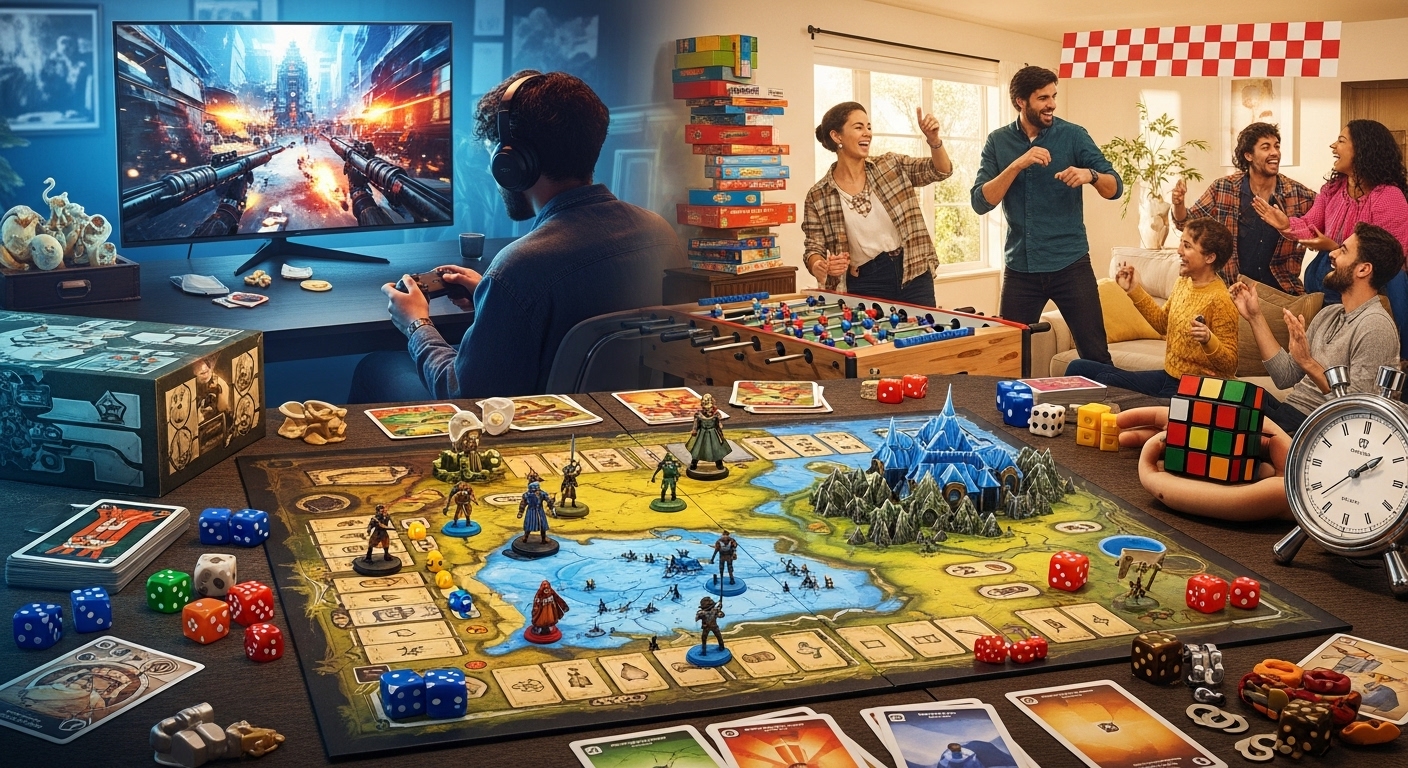
Games come in countless forms, each offering unique experiences and challenges:
Board Games and Card Games: These games encourage strategy, problem-solving, and social interaction. Classics like chess, Monopoly, and poker have stood the test of time.
Physical and Outdoor Games: Sports, playground games, and recreational activities promote physical fitness, teamwork, and coordination.
Video Games: Digital gaming offers immersive experiences across genres such as action, role-playing, simulation, and strategy. Players engage in narrative-driven worlds, competitive esports, and cooperative gameplay.
Puzzle and Logic Games: Games like Sudoku, crosswords, and escape rooms challenge the mind, enhance critical thinking, and provide cognitive stimulation.
Party and Social Games: Games designed for groups, like charades, trivia, or multiplayer video games, foster social bonding and laughter.
The diversity of games ensures there is something for every personality, skill level, and interest.
Games as Cultural Artifacts
Games reflect the culture in which they exist. Traditional games often incorporate local customs, stories, and values, preserving history and heritage. Modern video games often explore universal themes such as heroism, morality, and adventure, while reflecting contemporary social issues and trends.
Global gaming culture has also emerged through digital connectivity. Multiplayer games, online communities, and esports tournaments create shared experiences that transcend borders, fostering understanding and cultural exchange among diverse groups of people.
The Educational Value of Games
Games are more than entertainment—they are powerful educational tools. Strategy and logic games develop problem-solving skills, critical thinking, and decision-making. Role-playing games encourage creativity, planning, and empathy, as players inhabit different characters and make moral choices.
Physical games teach teamwork, coordination, and resilience. Even casual mobile games can promote memory, concentration, and hand-eye coordination. Educational institutions increasingly recognize the value of games in learning, incorporating gamified experiences in classrooms and skill-building activities.
The Social Impact of Games
Games are inherently social. Multiplayer video games, board games, and sports provide opportunities for collaboration, competition, and communication. Shared experiences through games create friendships, strengthen communities, and foster a sense of belonging.
Online gaming communities connect people across continents, creating virtual spaces for interaction and cooperation. Tournaments and competitive leagues bring players together, promoting sportsmanship, discipline, and teamwork. Social aspects of gaming demonstrate that play is a fundamental human activity that unites people across ages and cultures.
The Psychology of Play
Games engage the brain in unique ways. They stimulate problem-solving, memory, and strategic thinking. Action-oriented games improve reflexes and hand-eye coordination, while puzzle games enhance analytical skills. Role-playing games encourage creativity and empathy, allowing players to explore perspectives different from their own.
Playing games also offers psychological benefits. It provides stress relief, emotional satisfaction, and a sense of accomplishment. Games allow players to navigate challenges in a safe environment, helping build resilience, patience, and adaptability.
Games and Technology
Technology has transformed the world of games. Video games provide immersive experiences with advanced graphics, realistic physics, and interactive storytelling. Mobile gaming allows instant access to entertainment, making games a part of daily life for millions worldwide.
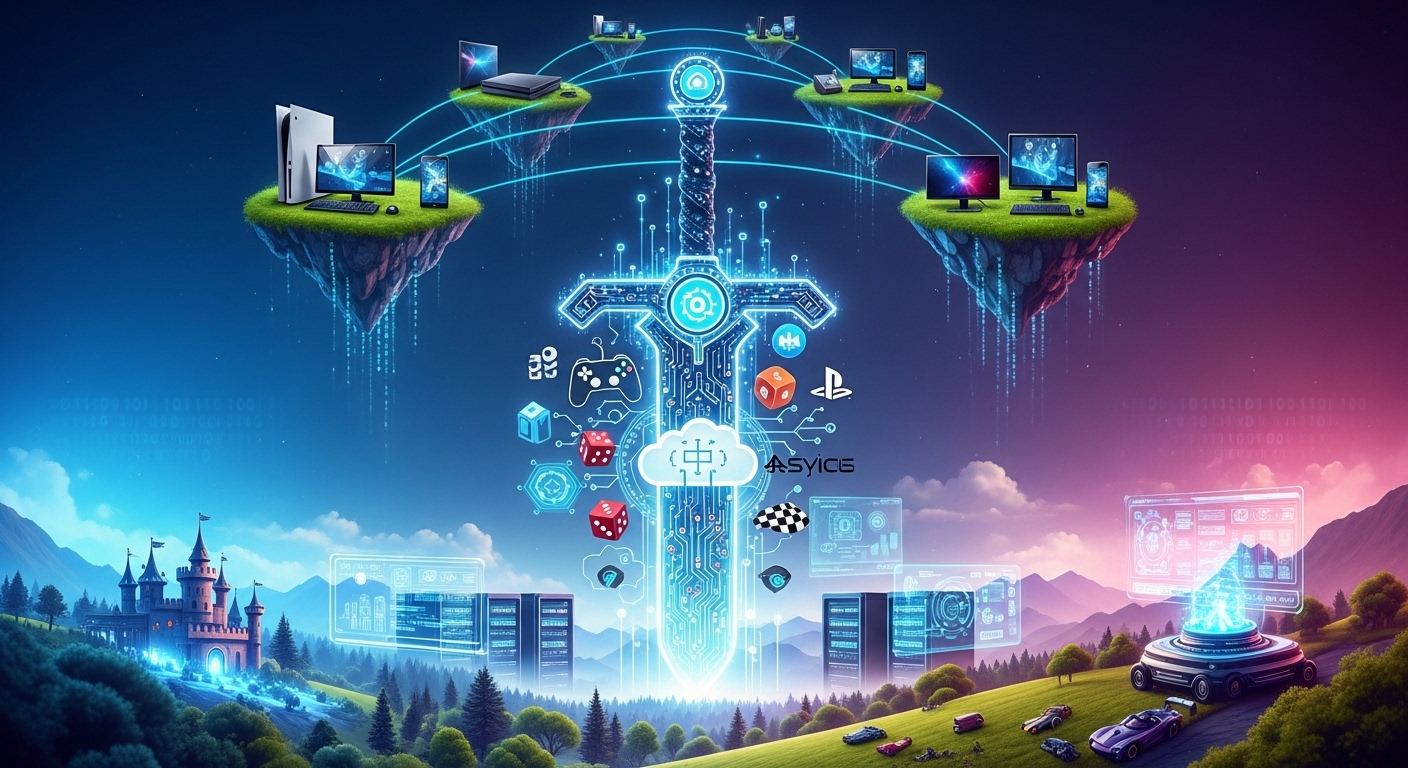
Virtual reality and augmented reality are creating new dimensions of play, allowing players to interact with digital worlds in unprecedented ways. Online platforms and cloud gaming enable global competition and collaboration, connecting players and communities like never before.
Technology continues to push the boundaries of what games can achieve, merging creativity, interactivity, and social engagement.
Competitive Gaming and Esports
Competitive gaming, or esports, has elevated games to professional levels. Players compete in organized leagues, tournaments, and international championships, often with significant prize pools. Popular esports titles include League of Legends, Dota 2, Fortnite, and Counter-Strike.
Esports requires dedication, strategic thinking, and teamwork. Professional players train rigorously, while teams employ coaches, analysts, and support staff. Beyond players, esports creates opportunities for careers in event management, broadcasting, marketing, and content creation. Competitive gaming demonstrates that games can be more than leisure—they can be a profession and a global spectacle.
Games as Storytelling
Many games are rich narrative experiences, allowing players to engage in interactive storytelling. Role-playing games and adventure games let players make choices that shape the story, creating a sense of agency and immersion.
Games combine visuals, sound, and mechanics to craft worlds and experiences that rival films and literature in emotional depth. Players are not passive observers—they participate, influence outcomes, and engage creatively, making games a unique medium for storytelling.
Economic Impact of Games
The gaming industry is a major economic force. Revenue comes from game sales, subscriptions, in-game purchases, merchandise, and events. Millions of people are employed in development, marketing, broadcasting, and esports.
Gaming drives technological innovation, from hardware advancements to cloud computing and virtual reality. Its economic influence underscores its significance not just as entertainment, but as a global industry shaping culture, technology, and commerce.
Challenges in Gaming
While games offer numerous benefits, the industry faces challenges. Accessibility remains an issue, as high-quality gaming often requires expensive hardware. Online toxicity, harassment, and cheating are persistent concerns in multiplayer and competitive gaming.
Ensuring diversity, inclusivity, and ethical content creation is an ongoing challenge. Balancing screen time, mental health, and responsible play is essential for players, families, and communities. Developers, players, and organizations continue to address these issues to create safer and more equitable gaming experiences.
The Future of Games
The future of games is filled with innovation and opportunity. Cloud gaming will make high-quality experiences accessible without expensive hardware. Virtual reality, augmented reality, and AI-driven games will create more immersive and adaptive experiences.
Cross-platform play and global connectivity will continue to unite players worldwide. Educational games and gamified experiences will expand learning opportunities. As technology advances, games will increasingly intersect with culture, education, and entertainment, solidifying their role in shaping society.
Conclusion: The Transformative Power of Games
Games are more than entertainment—they are cultural, educational, and social forces. They challenge the mind, inspire creativity, and connect people across the globe. From board games and sports to digital worlds and competitive esports, games engage players intellectually, emotionally, and socially.
As technology evolves, the scope of games will continue to expand, offering immersive experiences, narrative depth, and global communities. Games are a reflection of human creativity, collaboration, and imagination, proving that play is essential to learning, growth, and connection.
In every challenge, puzzle, and adventure, games teach us to think critically, act strategically, and connect meaningfully with others. They are a universal language, a cultural phenomenon, and a transformative force shaping how we interact, learn, and enjoy the world.