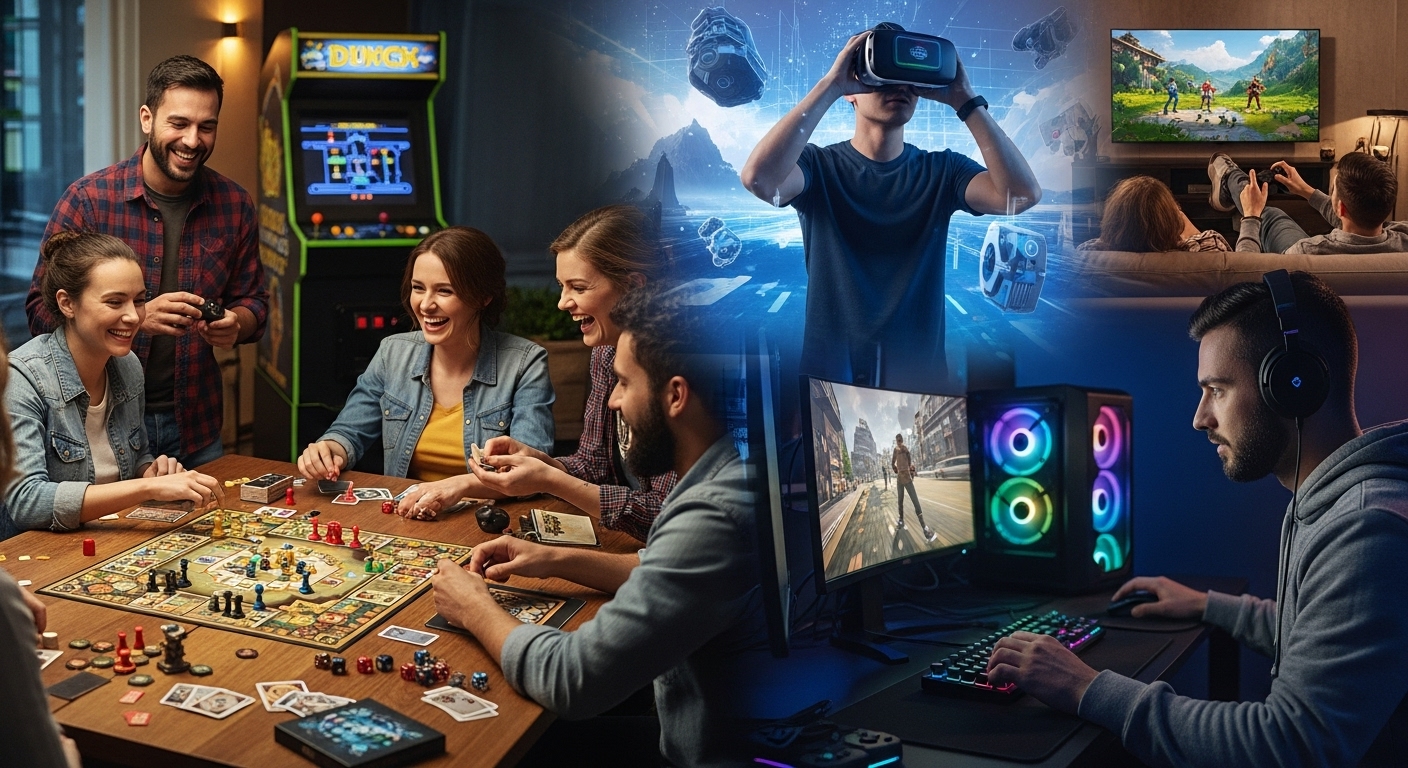
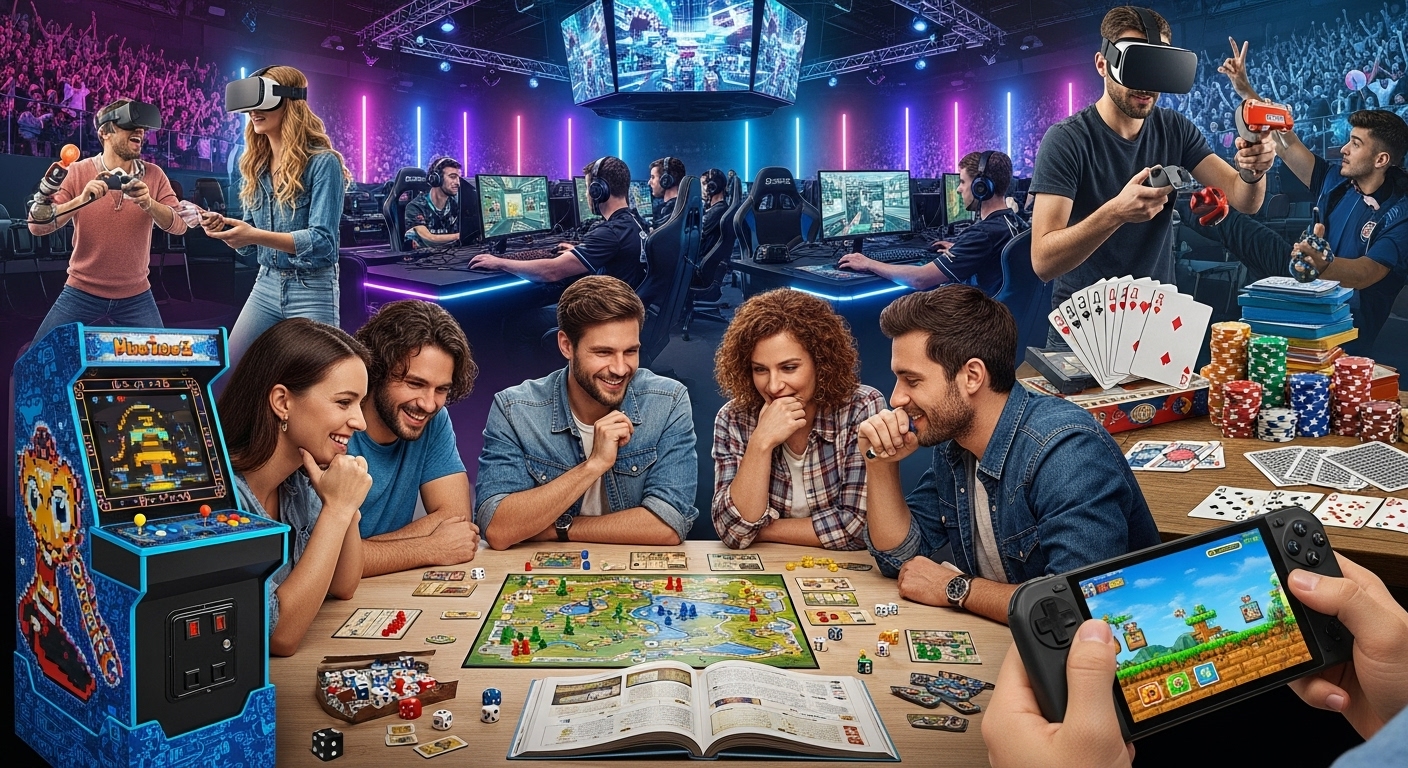
Gaming has evolved far beyond its roots as a simple pastime. What was once considered an activity for children or hobbyists has now become a full-fledged global industry, captivating millions of players worldwide. With the rapid advancements in technology and gaming culture, the modern gaming experience offers not only entertainment but also immersive worlds, social connections, and opportunities for self-expression. In this blog post, we’ll explore the transformations within the gaming world, the rise of different genres, and how gaming has shaped its participants in the 21st century.
The Rise of Immersive Worlds
One of the most significant changes in modern gaming is the leap from 2D graphics to fully immersive 3D environments. Games like The Legend of Zelda: Breath of the Wild or Red Dead Redemption 2 are examples of how game developers have created massive, open-world experiences that allow players to get lost in their surroundings. These worlds are not only visually stunning but are filled with intricate details, like weather patterns, day-night cycles, and interactive NPCs (non-playable characters).
These advancements in graphics and design have redefined the very idea of escapism. Instead of simply playing a game, players now get to experience a virtual reality that feels almost as real as the physical world. In some cases, this feeling is enhanced further through virtual reality (VR), where players are transported to fully interactive spaces that can feel surprisingly lifelike.
Multiplayer Gaming: A Social Experience
The shift to multiplayer gaming has also changed how we view gaming. Games like Fortnite, Call of Duty, and Among Us have turned gaming into a social activity rather than a solitary pursuit. Whether you’re playing cooperatively with friends or competing against strangers from across the globe, multiplayer games have broken down geographical barriers, allowing for instant communication and connection.
The rise of online platforms, such as Steam, PlayStation Network, and Xbox Live, has allowed players to connect and engage in a way that was previously unimaginable. These games have fostered communities, where players not only team up but build lasting friendships. Many friendships have even started from random encounters in online matches.
Esports: Gaming as a Career
While gaming was once a niche hobby, it has evolved into a competitive sport—esports. Esports is a rapidly growing industry, where professional players compete in games like League of Legends, Dota 2, and Overwatch in front of live audiences and millions of online viewers. The growing popularity of esports has made gaming a viable career for many, with sponsorships, streaming income, and tournament winnings becoming major revenue streams.
Tournaments like The International (for Dota 2) and the League of Legends World Championship draw crowds comparable to traditional sports events, with millions of dollars at stake. The competitive nature of these games and the skills required to excel at them have elevated gaming to a level of respectability previously reserved for physical sports.
The Impact of Mobile Gaming
Another notable shift in the gaming world has been the rise of mobile gaming. With the advent of smartphones, people now have access to an enormous library of games, all within the palm of their hands. Titles like Candy Crush Saga, Clash Royale, and Pokémon Go have brought gaming into the everyday lives of people who might not otherwise consider themselves gamers.
Mobile gaming has introduced a new demographic to the gaming world—casual gamers. These are people who may not play for hours at a time but enjoy quick, accessible gaming experiences. The convenience of gaming on-the-go has made it an attractive option for those looking for brief bursts of entertainment, without needing a dedicated console or PC.
Gaming as an Art Form
As the gaming industry matures, it’s becoming more apparent that video games are not only a form of entertainment but also an art form. Games like Journey, Hollow Knight, and The Last of Us showcase the creative potential of video games in storytelling, music, and visual design. These games not only engage players in gameplay but also provoke emotional responses, similar to the way films, books, or music do.
Many gaming studios are now employing talented writers, musicians, and artists to craft deeply emotional and thought-provoking experiences. This has led to a new era where video games are recognized for their cultural and artistic significance. Just like a blockbuster film or a bestselling novel, games can have a lasting impact on society and evoke deep emotional connections.
The Future of Gaming: A Glimpse Ahead
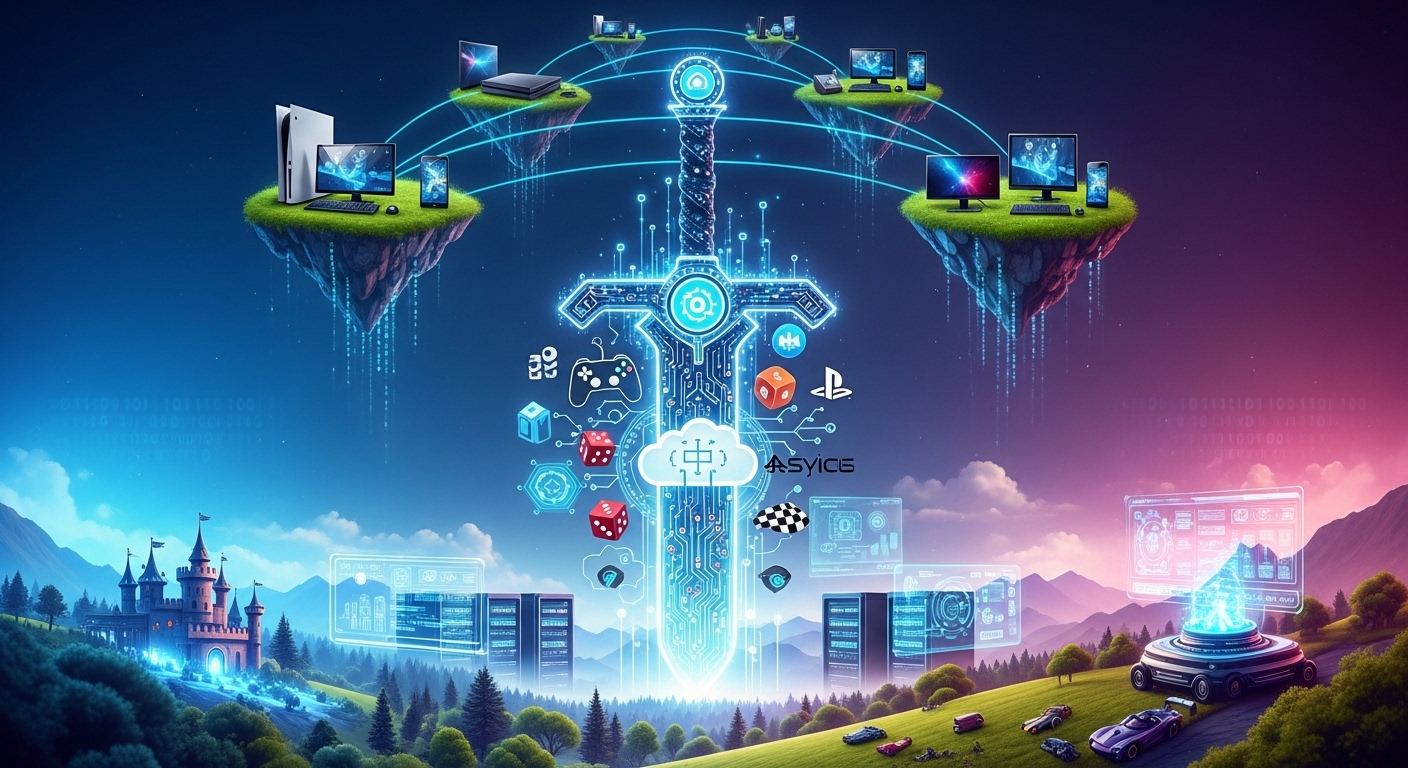
Looking ahead, the future of gaming appears incredibly exciting. With the continued development of AI, augmented reality (AR), and VR, the gaming experience is set to become even more immersive. The concept of “cloud gaming” could make high-end gaming more accessible by allowing players to stream games directly to their devices, eliminating the need for powerful hardware. This could democratize access to gaming, allowing anyone with a good internet connection to enjoy the latest titles.
Additionally, as game developers push the boundaries of narrative design, we may see even more emotionally complex stories, deeper characters, and interactive worlds that challenge traditional storytelling conventions. In the not-so-distant future, games could become even more integrated into our daily lives, providing not just entertainment but also avenues for education, self-improvement, and social connection.
Conclusion
The gaming landscape has shifted drastically over the past few decades, moving from a niche hobby to a global phenomenon. With innovations in graphics, multiplayer experiences, and mobile access, gaming continues to captivate a diverse and growing audience. Whether it’s the pursuit of high scores, the excitement of competition, or the thrill of exploration in digital worlds, gaming has something for everyone. As technology continues to evolve, we can only imagine how future developments will continue to shape the way we play, connect, and engage with this ever-expanding universe.