Introduction
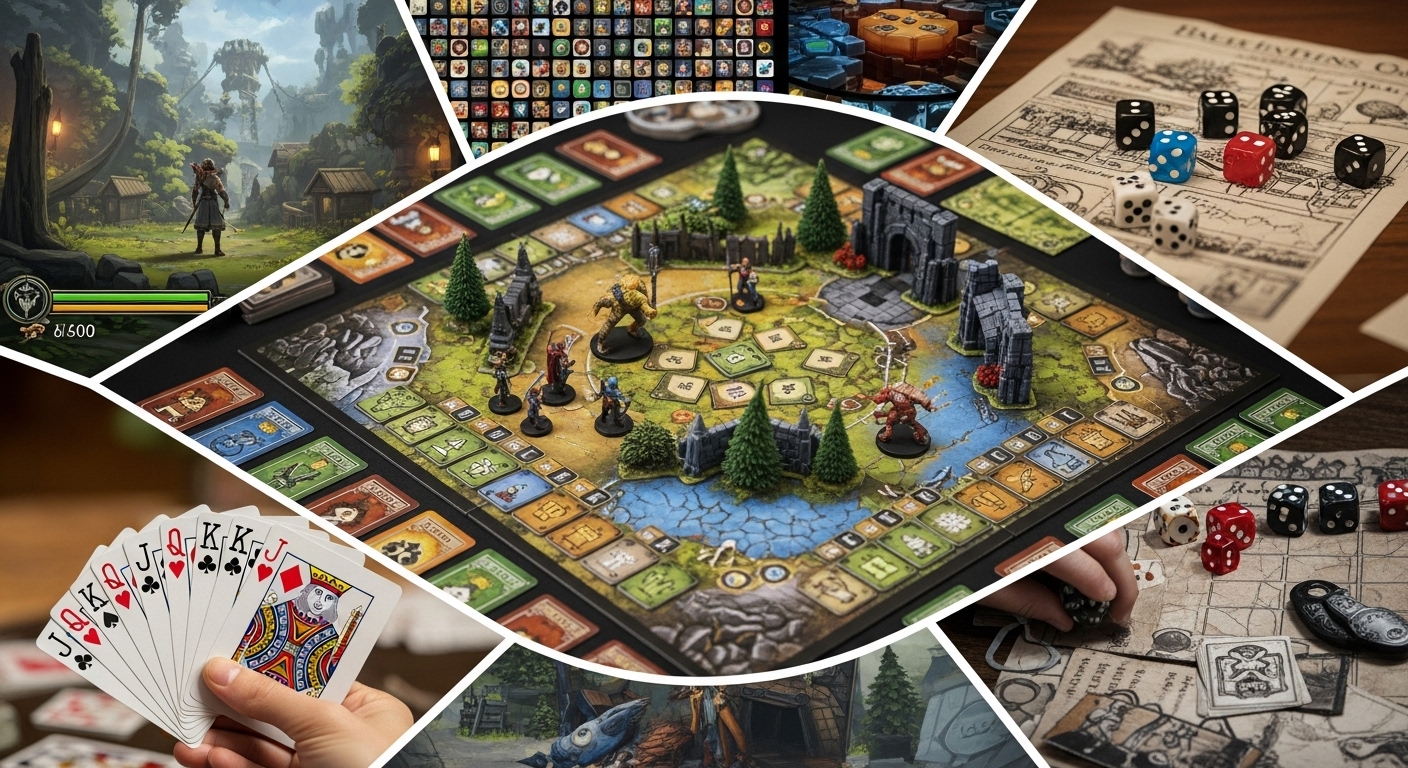
Games are not merely tools of entertainment—they are a reflection of human innovation, creativity, and curiosity. From the earliest board games carved on stone tablets to the complex digital worlds of today, games have always been a part of our lives. They engage our minds, sharpen our skills, and often teach us valuable lessons about teamwork, strategy, and perseverance. In the modern world, games have transcended their original purpose of play to become a cultural, social, and technological force that influences billions of people.
The Ancient Origins of Gaming
Long before video games and digital screens, people across civilizations created games to test intelligence, chance, and skill. Ancient Egypt had Senet, a game believed to represent the journey of the soul, while China had Go, a strategic masterpiece still played today. These early games were not just diversions; they reflected the philosophies and cultures of their time.
Games were also social tools. They brought people together, strengthened communities, and provided a structured form of interaction. The simple act of play allowed humans to bond, learn, and compete in healthy ways. This ancient tradition of combining learning with fun continues to define the essence of gaming in our modern world.
The Rise of Modern Games
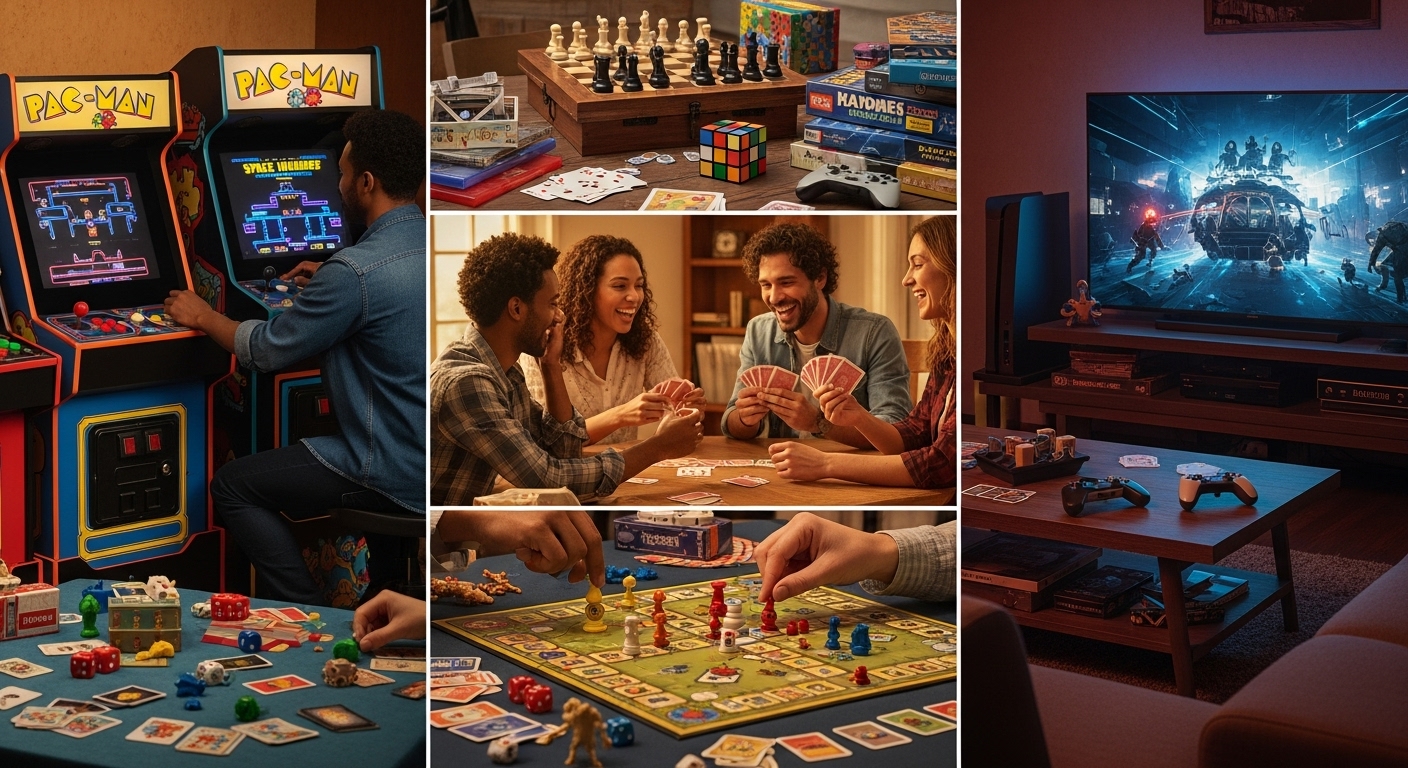
The 20th century marked a significant turning point in gaming history. The invention of electronic entertainment gave birth to arcade machines, home consoles, and eventually personal computers. Games like Pong and Tetris introduced a new kind of interaction—one that was digital, dynamic, and endlessly replayable.
As technology evolved, so did games. The 1980s and 1990s brought iconic titles like Super Mario Bros, The Legend of Zelda, and Sonic the Hedgehog. These games became cultural milestones, influencing generations of players. They introduced storytelling, vibrant worlds, and memorable characters that made gaming an emotional experience rather than a mechanical one.
The Era of Storytelling and Immersion
Modern games are not just about high scores—they are about stories. Developers have mastered the art of blending narrative with interactivity, allowing players to live within the story instead of just watching it unfold. Games like The Last of Us, God of War, and Red Dead Redemption showcase emotional storytelling that rivals movies and novels.
This immersion comes from the player’s active role in shaping the story. Every choice, action, and consequence feels personal. Unlike other forms of media, games give players agency. This makes the experience more impactful and memorable. The emotional connection players develop with characters and events is a powerful testament to how gaming has evolved into a storytelling medium.
The Artistic Side of Games
Games are a form of art that combines visuals, music, and interactivity into one cohesive experience. The detailed environments, character designs, and soundtracks all contribute to a world that feels alive. Artists, composers, and designers work together to create experiences that evoke emotion and wonder.
Consider the haunting beauty of a game like Journey, which uses minimal dialogue but powerful imagery and sound to tell a story of exploration and self-discovery. Every frame, color palette, and sound cue is carefully crafted to create an emotional impact. This artistry proves that games are not just products—they are creative expressions that deserve recognition alongside traditional art forms.
The Role of Technology in Shaping Gaming
Technology has always been the driving force behind gaming’s evolution. With each new advancement, games become more realistic, interactive, and immersive. Graphics engines create lifelike visuals, physics systems simulate real-world movements, and artificial intelligence makes characters smarter and more responsive.
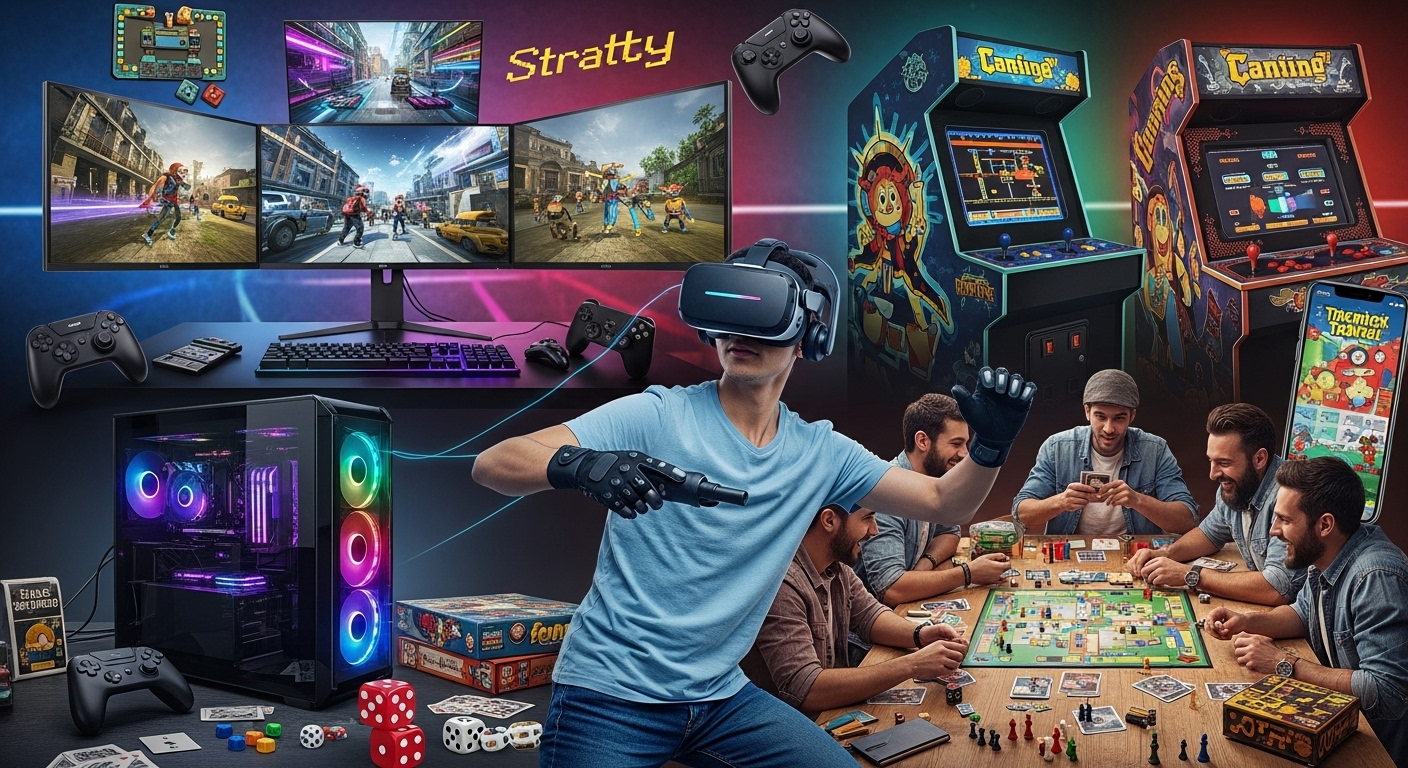
Cloud gaming and virtual reality are pushing the limits of imagination even further. Players can now enter vast digital worlds without needing expensive hardware. Virtual reality, in particular, offers an unparalleled level of immersion, allowing users to physically step into their favorite games. As technology continues to advance, the line between reality and virtual play will continue to blur.
The Social Dimension of Gaming
Gaming has evolved from a solitary activity into a global social phenomenon. Online multiplayer games allow players to connect, communicate, and cooperate across continents. Titles like Fortnite, Minecraft, and Call of Duty have built massive online communities where millions of players interact daily.
Gaming has also become a tool for socialization and friendship. Players form teams, join guilds, and build long-term relationships through shared experiences. Even outside the games themselves, discussions, fan art, and live-streaming communities have made gaming a social ecosystem. In an increasingly digital world, gaming provides a sense of belonging and shared joy.
Esports and the Rise of Competitive Gaming
Esports has transformed gaming into a professional sport with global recognition. Competitive gaming tournaments attract millions of viewers and offer prize pools worth millions of dollars. Players train for years to perfect their skills, just like traditional athletes.
Games like Dota 2, League of Legends, and Counter-Strike have become the centerpiece of massive global competitions. The rise of streaming platforms has also allowed esports athletes to become celebrities, inspiring a new generation of competitive gamers. Esports has proven that gaming is not just play—it’s performance, strategy, and dedication.
Educational and Psychological Benefits of Gaming
Games are often misunderstood as distractions, but they offer significant educational and psychological benefits. Puzzle and strategy games enhance problem-solving skills, while simulation games teach real-world concepts such as city planning, economics, and survival. Educational games are now widely used in schools to make learning interactive and engaging.
Psychologically, games can provide relaxation, stress relief, and emotional expression. Many people use gaming as a way to unwind or cope with challenges in their daily lives. Cooperative games also improve teamwork, communication, and empathy. When played in moderation, gaming can be a powerful tool for personal growth and mental well-being.
Mobile Gaming: Accessibility for All
The rise of mobile technology has democratized gaming. Smartphones have put entertainment in the hands of billions of people worldwide. Whether someone is commuting to work or relaxing at home, mobile games offer quick and convenient access to fun.
Mobile gaming’s popularity has also encouraged creativity among developers. Simple yet engaging games like Candy Crush, Clash Royale, and Genshin Impact have reached massive audiences. This accessibility has made gaming more inclusive than ever, breaking down barriers of age, location, and skill level.
Virtual Reality and the Future of Gaming
Virtual reality is redefining how we experience play. VR allows players to step directly into digital environments, using motion controls to interact with the world around them. This immersive technology is already revolutionizing fields beyond entertainment, including education, medicine, and training.
The future promises even greater integration of augmented reality, where digital elements blend with real-world surroundings. Imagine playing games that transform your living room into a battlefield or your neighborhood into an adventure map. As these technologies mature, gaming will evolve into experiences that are more personal and interactive than ever before.
The Cultural Influence of Games
Games have become an essential part of modern culture. Their influence can be seen in movies, music, fashion, and even language. Iconic characters like Mario, Lara Croft, and Master Chief are as recognizable as film stars. Gaming events and conventions draw massive crowds, celebrating the creativity and diversity of the community.
Beyond entertainment, games are now platforms for storytelling, activism, and artistic expression. They can address social issues, promote inclusivity, and inspire empathy. Games such as Life is Strange and Celeste explore topics like identity, friendship, and mental health, demonstrating how gaming can be both meaningful and impactful.
Challenges in the Gaming Industry
Despite its progress, the gaming world faces several challenges. Issues like online toxicity, gaming addiction, and privacy concerns require careful attention. Developers and communities are working toward creating safer and more inclusive spaces for players of all backgrounds.
Another challenge lies in balancing creativity and commercial success. The pressure to monetize games through microtransactions or ads can sometimes harm player experience. Sustainable practices that prioritize creativity and respect for the audience are essential for the industry’s continued growth.
Gaming and the Global Economy
The gaming industry is one of the most profitable sectors in entertainment, surpassing both film and music in revenue. It supports millions of jobs worldwide, from developers and designers to streamers and esports professionals. Independent creators have also found success through self-publishing platforms, proving that innovation thrives in gaming’s open marketplace.
As new technologies like blockchain and artificial intelligence enter the scene, gaming’s economic landscape will continue to expand. These innovations will create new forms of digital ownership, interactive storytelling, and community-driven worlds.
The Future of Games and Human Connection
Looking ahead, the future of games will be defined by creativity, technology, and inclusivity. Artificial intelligence will make game worlds more dynamic, while virtual and augmented reality will deepen immersion. Games will continue to evolve as both art and science, combining human emotion with technological brilliance.
But beyond all innovation, the heart of gaming remains the same—it is about connection. Whether between friends, families, or strangers across the globe, games bring people together through shared experiences. They remind us that play is not just for fun but for understanding ourselves and the world around us.
Conclusion
Games are far more than entertainment; they are a mirror of human progress and imagination. From the simplest ancient boards to vast virtual universes, gaming has grown alongside humanity, adapting to every technological and cultural shift. It entertains, educates, inspires, and unites people of all backgrounds.
As we move into the future, the world of gaming will continue to push boundaries, blending art, technology, and emotion in ways we have yet to imagine. The power of play will always remain an essential part of who we are—a universal language of creativity, curiosity, and joy. In every era, games remind us that no matter how advanced we become, our desire to play, learn, and connect will never fade.