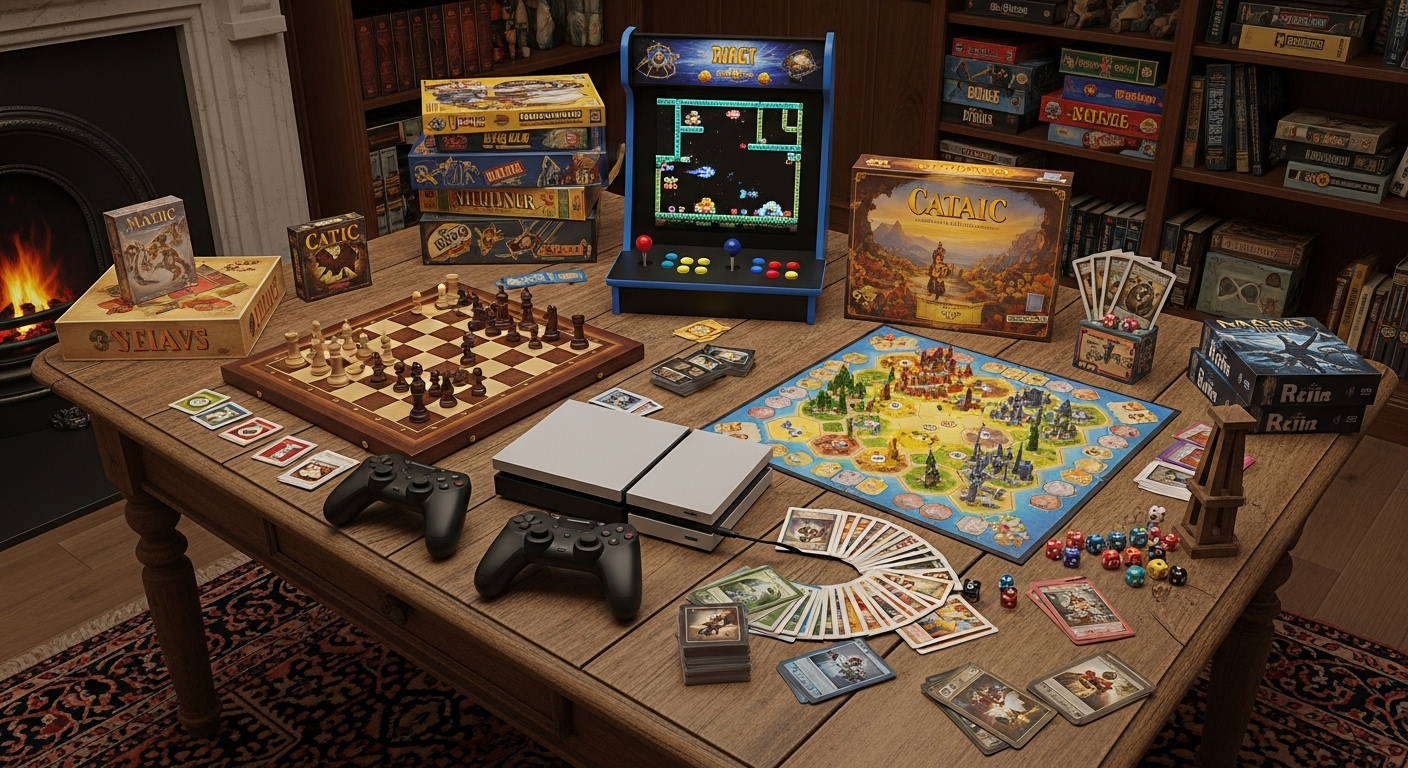
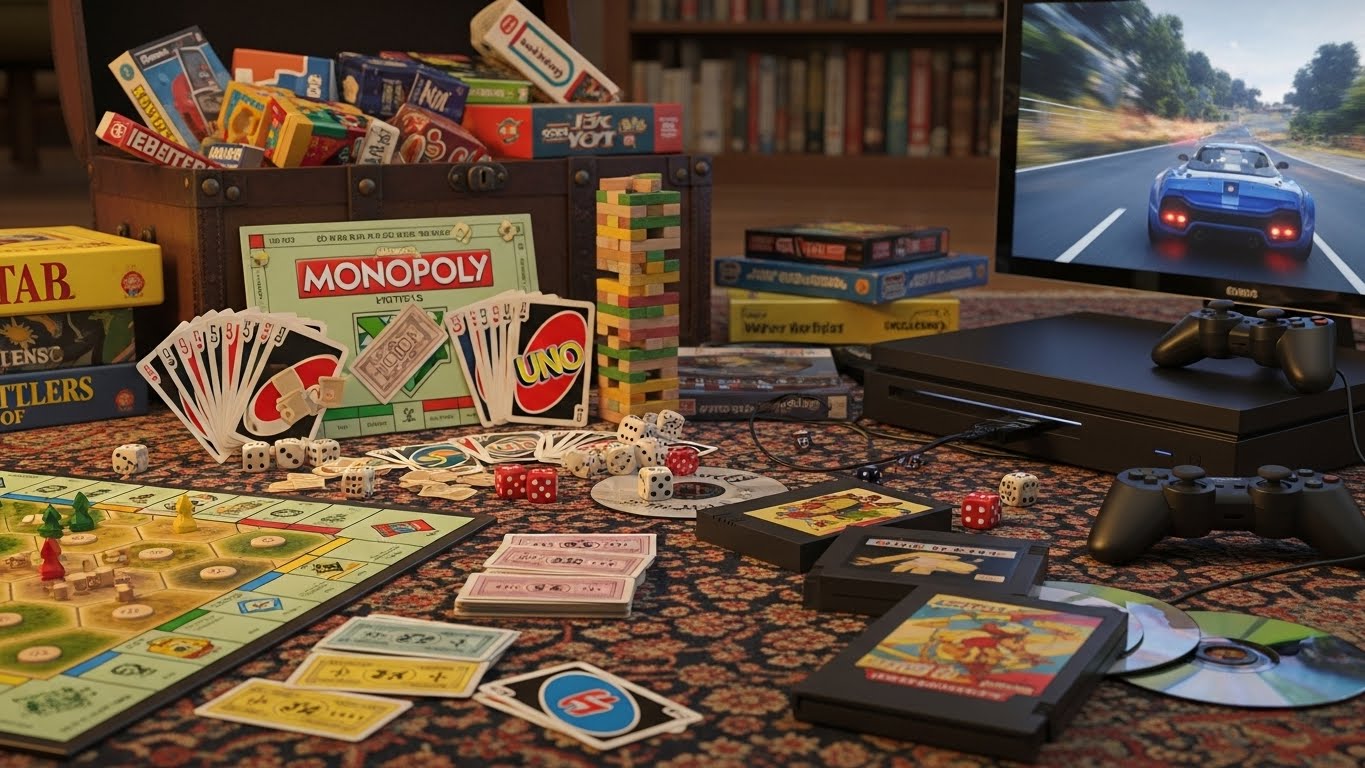
The world of gaming has evolved into a global phenomenon that transcends age, culture, and geography. From simple arcade games to immersive virtual worlds, the gaming industry has transformed into one of the most influential forms of entertainment, education, and social interaction. Over the past few decades, gaming has gone through remarkable changes, driven by technological advancements, cultural shifts, and the growing desire for new forms of interactive experiences. In this blog post, we will explore the evolution of gaming, the rise of esports, and how emerging technologies like virtual reality (VR), augmented reality (AR), and artificial intelligence (AI) are shaping the future of the gaming landscape.
The Birth of Gaming: From Pong to the Arcade Era
Gaming began as a simple form of entertainment but quickly evolved into a cultural phenomenon. The earliest video games were rudimentary, yet they laid the foundation for the explosion of the gaming industry.
Pong: The First Breakthrough
The history of modern gaming began in 1972 with the release of “Pong,” created by Atari. A simple two-player game simulating table tennis, “Pong” was an instant success and the first commercially successful video game. It was the spark that ignited the fire of an industry that would grow exponentially over the next several decades. “Pong” was played in arcades and early home consoles, attracting players with its competitive nature and interactive gameplay.
The Rise of Arcade Games
The late 1970s and early 1980s saw a golden age of arcade gaming. Games like “Space Invaders,” “Pac-Man,” and “Donkey Kong” became household names, attracting a global audience. Arcades became social hubs, where players could compete for high scores and develop a sense of community. These early games were simple but addictive, offering challenges that kept players coming back for more. The success of arcade games also led to the creation of home consoles, bringing video gaming into living rooms around the world.
The Age of Home Consoles: Gaming for Everyone
In the 1980s and 1990s, gaming shifted from arcades to home consoles. This transition marked a significant turning point in the industry, as gaming became more accessible to a wider audience.
The Introduction of Home Consoles
The 1980s saw the release of iconic gaming consoles like the Nintendo Entertainment System (NES) and the Sega Genesis. These consoles offered players the ability to play games at home, providing an experience similar to what they could find in arcades. Titles like “Super Mario Bros.,” “The Legend of Zelda,” and “Sonic the Hedgehog” became instant classics, introducing gamers to the world of platformers, adventure games, and iconic characters.
The Evolution of Gaming Genres
As home consoles grew in popularity, so did the variety of games available. The 1990s saw the rise of new gaming genres, including first-person shooters, fighting games, and role-playing games (RPGs). Games like “DOOM” and “GoldenEye 007” revolutionized first-person shooters, while fighting games like “Street Fighter II” and “Mortal Kombat” became cultural touchstones. Meanwhile, RPGs such as “Final Fantasy VII” and “The Elder Scrolls” series gave players the opportunity to immerse themselves in expansive virtual worlds and complex narratives.
The Introduction of 3D Gaming
One of the most significant advancements in gaming during the 1990s was the introduction of 3D graphics. The release of consoles like the Sony PlayStation and the Nintendo 64 brought 3D gaming to the mainstream. Games like “Super Mario 64” and “The Legend of Zelda: Ocarina of Time” were groundbreaking in their use of 3D environments, offering players a more immersive experience. The shift to 3D gaming opened up new possibilities for game design, allowing developers to create vast, open worlds and more detailed characters and environments.
The Rise of Online Gaming and the Digital Revolution
As the internet became more widespread in the early 2000s, gaming entered a new era: the age of online multiplayer. This shift fundamentally changed the way players interacted with games, paving the way for competitive gaming and global online communities.
The Birth of Online Multiplayer
Games like “Warcraft,” “Starcraft,” and “Counter-Strike” allowed players to connect with each other over the internet, marking the beginning of online gaming as we know it. The ability to play with or against people from around the world introduced a new layer of complexity and excitement to gaming. Players could now engage in large-scale battles, team-based strategy games, and cooperative missions, all from the comfort of their homes.
The Rise of MMOs (Massively Multiplayer Online Games)
In the 2000s, the release of massively multiplayer online games (MMOs) like “World of Warcraft” revolutionized online gaming. MMOs offered players expansive, persistent worlds where they could interact with thousands of other players in real-time. These games provided an entirely new level of immersion, with players able to explore vast landscapes, form guilds, complete quests, and level up their characters. The social aspect of MMOs also played a significant role in the growth of online communities, as players could form friendships and collaborations through their shared experiences.
The Digital Revolution: Digital Distribution and Indie Games
With the rise of digital distribution platforms like Steam, PlayStation Network, and Xbox Live, gaming underwent a significant shift in the way games were sold and played. Digital storefronts allowed developers to bypass traditional publishing models, making it easier for independent game developers (indie developers) to create and release their games. This led to the emergence of critically acclaimed indie titles like “Minecraft,” “Undertale,” and “Hollow Knight,” which challenged traditional game design and proved that creativity and innovation could thrive outside of the major studios.
The Rise of Esports: Competitive Gaming Goes Mainstream
While gaming has always had a competitive element, the 21st century saw the rise of esports, which turned gaming into a global competitive sport.
Esports: From Niche to Global Phenomenon
Esports refers to organized, multiplayer video game competitions, often between professional players or teams. The competitive gaming scene began in the late 1990s with tournaments for games like “StarCraft” and “Quake.” However, it was the release of games like “League of Legends,” “Dota 2,” and “Overwatch” that propelled esports into the mainstream. Major tournaments, such as “The International” for Dota 2, offer multi-million-dollar prize pools and attract millions of viewers worldwide.
The Growth of Streaming Platforms
The rise of streaming platforms like Twitch and YouTube Gaming further fueled the growth of esports. These platforms allow gamers to broadcast their gameplay to a global audience, creating opportunities for both professional players and casual streamers to build large followings. The popularity of esports has also led to partnerships with major brands, sponsorships, and even university-level esports programs, further solidifying gaming’s place in the global entertainment landscape.
Esports as a Career
As esports continues to grow, professional gamers can now make a living from playing video games. Teams and individual players compete in tournaments for substantial cash prizes, while also earning income through sponsorships, merchandise sales, and streaming. The emergence of esports as a career path has given rise to a new generation of professional gamers, streamers, and commentators, who are revered in the same way as traditional athletes.
The Future of Gaming: Virtual Reality, AI, and Beyond
The future of gaming is exciting, with new technologies like virtual reality, artificial intelligence, and cloud gaming promising to redefine the way we experience games.
Virtual Reality: The Next Frontier
Virtual reality (VR) has already made significant strides in gaming, with platforms like Oculus Rift, HTC Vive, and PlayStation VR offering players immersive experiences. VR allows players to physically interact with virtual worlds, making gaming feel more like a real-life experience. The potential for VR in gaming is enormous, with developers exploring new ways to tell stories, create environments, and engage players in unique ways.
Artificial Intelligence: Smarter Games and More Dynamic Worlds
Artificial intelligence (AI) is already playing a major role in gaming, from non-playable characters (NPCs) that respond intelligently to player actions to procedural generation algorithms that create vast, unique worlds. In the future, AI will enable even more sophisticated gameplay experiences, with games that adapt dynamically to player choices, creating more personalized and reactive environments. AI could also help in the creation of more complex and engaging narratives, where players’ decisions truly impact the outcome of the story.
Cloud Gaming: Gaming Without Limits
Cloud gaming, powered by services like Google Stadia and Xbox Cloud Gaming, allows players to stream games directly from the cloud without the need for powerful hardware. This technology has the potential to democratize gaming, making high-quality games accessible to anyone with a stable internet connection. As internet speeds continue to improve, cloud gaming could become the standard way of playing games, eliminating the need for expensive gaming consoles or PCs.
Conclusion: Gaming for the Future
From its humble beginnings in arcades to the immersive, multiplayer experiences of today, gaming has come a long way. It has transformed from a niche hobby to a global industry that offers entertainment, social connection, and career opportunities. As technology continues to evolve, the future of gaming holds limitless possibilities, from the expansion of esports to the rise of virtual reality and artificial intelligence. For gamers around the world, the journey is just beginning, and the next chapter of gaming promises to be more exciting than ever before. Whether you’re a casual player, a professional gamer, or someone just beginning to explore this dynamic world, there has never been a better time to dive into the ever-expanding universe of gaming.