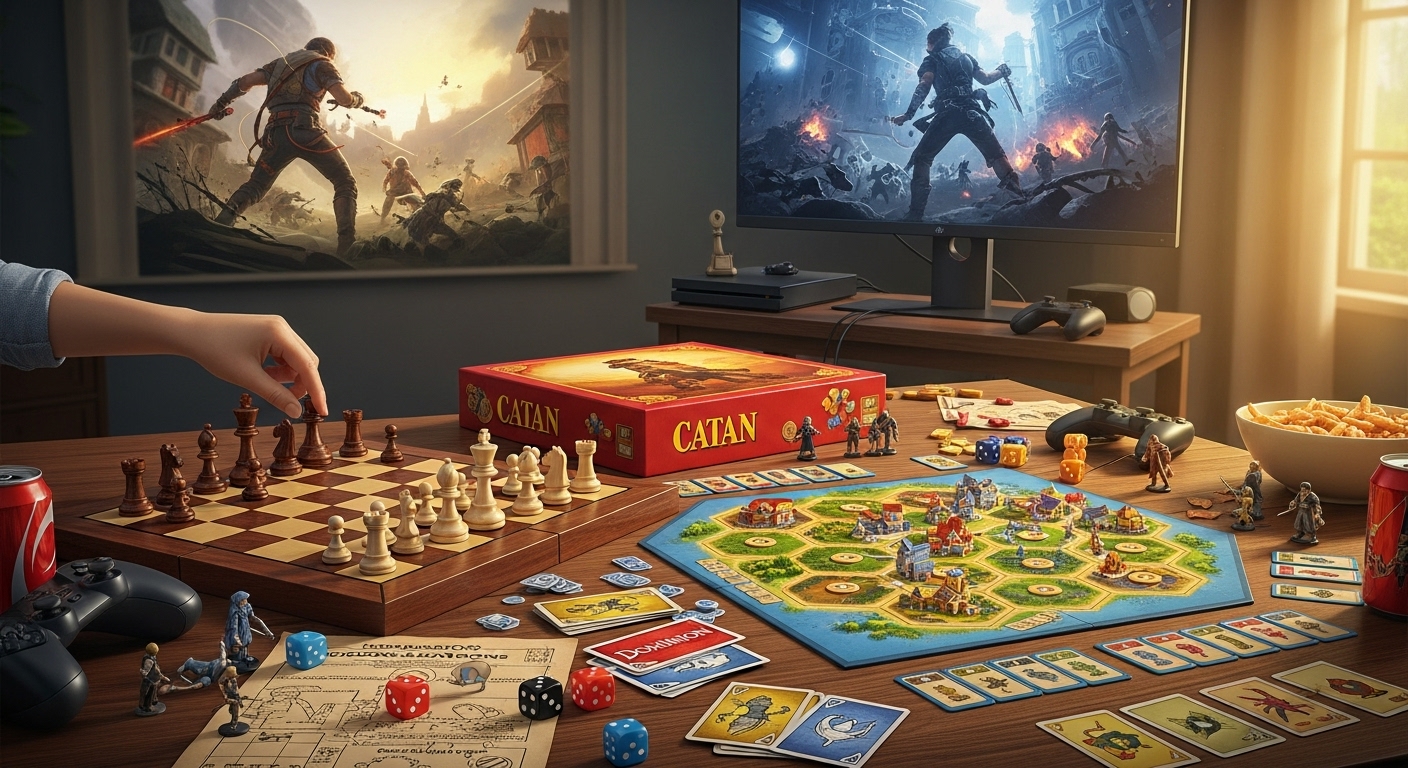
Games have been an integral part of human life since the dawn of civilization. From the earliest board games carved into stone to today’s hyper-realistic virtual worlds, games have evolved alongside humanity, reflecting our creativity, intelligence, and desire for connection. They entertain, challenge, teach, and inspire. Whether digital or physical, competitive or cooperative, solo or multiplayer, games are one of the purest expressions of human ingenuity and imagination. In this blog, we will explore the vast world of games—how they developed, their types, their impact on culture, and why they continue to shape the future of entertainment and human interaction.
The Origins of Games
Games are as old as human civilization. Ancient artifacts reveal that our ancestors played games thousands of years ago. The Royal Game of Ur, discovered in Mesopotamia, is considered one of the oldest known board games, dating back to 2600 BCE. Ancient Egyptians played Senet, while in China, the game of Go emerged as both a strategic pastime and a form of philosophical reflection. These early games were not merely entertainment—they were social and educational tools that taught patience, strategy, and the importance of decision-making.
Over time, games began to reflect the cultures that created them. In Greece and Rome, sports and athletic competitions were regarded as sacred, connected to the gods and physical excellence. In medieval Europe, games like chess emerged as simulations of war and royal politics, offering noblemen a way to practice strategy without real-world consequences. Across the world, indigenous tribes developed games that passed down traditions, taught survival skills, or celebrated community events.
The Evolution into Modern Gaming
The 20th century marked the beginning of the modern gaming era. With the invention of cards, sports leagues, and eventually electronic devices, games became a universal pastime accessible to all ages. The first major shift came with arcade machines in the 1970s, introducing titles like Pong and Space Invaders. These simple yet addictive games captivated the public and established the foundation for video gaming as an industry.
The rise of home consoles such as the Atari, Nintendo Entertainment System, and Sega Genesis transformed gaming into a household activity. For the first time, families could play together in the comfort of their living rooms. The 1990s introduced iconic titles like Super Mario, Sonic the Hedgehog, and The Legend of Zelda—games that blended storytelling, art, and music in ways never seen before. The era also gave birth to competitive gaming, as players began to test their skills against one another in tournaments and local events.
By the 2000s, gaming technology had advanced dramatically. Powerful consoles and personal computers allowed developers to create detailed 3D environments, complex narratives, and lifelike animations. Online multiplayer gaming emerged, connecting players across the globe. Titles such as World of Warcraft, Counter-Strike, and Halo fostered communities that transcended geographical boundaries. Today, gaming is more than a hobby—it is a lifestyle, a career, and a form of art.
Types of Games and Their Unique Appeal
The variety of games today is astonishing. Each genre offers a different kind of experience, appealing to players with different interests and personalities.
Action Games: These are fast-paced experiences that test reflexes and coordination. From first-person shooters to fighting games, action titles like Call of Duty, Street Fighter, and Doom have become global sensations. They require quick decision-making and often reward precision and timing.
Adventure Games: These games focus on storytelling, exploration, and puzzle-solving. Classics such as The Legend of Zelda and modern titles like Uncharted immerse players in rich narratives filled with mystery and wonder. They appeal to those who enjoy deep worlds and compelling stories.
Role-Playing Games (RPGs): RPGs allow players to step into the shoes of another character, making choices that shape the outcome of the game. Whether it’s a fantasy world in Final Fantasy or a post-apocalyptic wasteland in Fallout, RPGs give players a sense of agency and emotional connection to their avatars.
Strategy Games: Games like Age of Empires, Civilization, and StarCraft require careful planning and long-term thinking. They are about resource management, foresight, and tactical decision-making. These games often attract players who enjoy intellectual challenges and strategic depth.
Sports and Racing Games: From FIFA to NBA 2K to Forza Horizon, these games simulate real-world athletic competitions. They allow fans to experience the thrill of their favorite sports and compete virtually with others around the world.
Simulation Games: Games like The Sims or Farming Simulator let players recreate real-life experiences in a controlled environment. Whether it’s managing a city in SimCity or piloting an aircraft in Microsoft Flight Simulator, these games blend realism with creativity.
Casual and Mobile Games: The rise of smartphones has created a new wave of accessible, bite-sized games. Titles like Candy Crush and Subway Surfers can be played anytime, anywhere, providing instant entertainment for millions of people daily.
Horror and Survival Games: For thrill-seekers, horror games offer a mix of fear and excitement. Titles like Resident Evil and Outlast challenge players to survive terrifying situations, testing their nerves and problem-solving skills.
The Psychological Power of Games
One of the most fascinating aspects of games is their psychological impact. Games stimulate the brain in ways that few other activities can. They challenge players to think critically, adapt to new situations, and make quick decisions under pressure. Studies have shown that gaming can improve memory, hand-eye coordination, and multitasking skills.
Moreover, games are a form of stress relief. After a long day, immersing oneself in a virtual world offers a mental escape. The sense of accomplishment after overcoming a difficult level or completing a quest can boost confidence and happiness. Multiplayer games also serve as social outlets, helping people make friends and feel part of a community, especially in an increasingly digital world.
However, like any form of entertainment, moderation is key. Excessive gaming can lead to issues such as reduced physical activity, sleep deprivation, and social withdrawal. Recognizing the balance between enjoyment and responsibility ensures that gaming remains a positive force in one’s life.
The Role of Storytelling in Games
Storytelling is at the heart of many great games. A well-crafted story can turn a simple game into an emotional masterpiece. Games like The Last of Us, Red Dead Redemption 2, and Mass Effect are celebrated for their deep narratives and character development. Players don’t just play these games—they live them.
Unlike movies or books, games allow players to interact with the story. Choices matter, and consequences unfold based on decisions made by the player. This interactivity creates a deeper emotional investment. The ability to shape one’s own destiny within a game world gives players a unique sense of empowerment and empathy.
The storytelling potential of games has elevated them to the level of art. Developers now hire professional writers, composers, and voice actors to create experiences that rival blockbuster films. Every choice, dialogue, and soundtrack is carefully designed to evoke emotion and connection.
The Rise of Esports and Competitive Gaming
The transformation of gaming into a professional sport is one of the most remarkable developments of the 21st century. Esports has turned video gaming into a billion-dollar industry, with professional players, teams, and global tournaments. Games like League of Legends, Dota 2, and Counter-Strike: Global Offensive draw millions of viewers worldwide, with championship prizes reaching staggering amounts.
Esports requires skill, strategy, and teamwork comparable to traditional sports. Players train rigorously, analyze opponents, and develop precise coordination with teammates. The popularity of esports has also led to the creation of gaming arenas, sponsorship deals, and even college scholarships for talented gamers.
This rise of competitive gaming has changed how society views video games. What was once considered a pastime is now a legitimate career path and a respected form of entertainment. The global reach of esports demonstrates that gaming has truly become a unifying cultural phenomenon.
The Social Side of Gaming
Games have always been social, even before the internet. Whether it was friends gathering around a board game or kids playing arcade machines, games have brought people together. Today, online gaming has amplified this social connection to a global scale. Players can team up with others from different countries, cultures, and languages.
Multiplayer games create communities where friendships are formed, rivalries are born, and teamwork is essential. Platforms like voice chat and in-game messaging have turned games into social networks of their own. For many, gaming is not just about winning—it’s about belonging.
Even during challenging times, such as global lockdowns, games have provided comfort and connection. Virtual worlds have become spaces for people to meet, celebrate, and share experiences when physical gatherings were impossible. Games are not just about pixels on a screen—they are about human connection.
The Role of Technology in Shaping Games
Technological progress has been the driving force behind gaming’s evolution. Graphics have evolved from simple 8-bit sprites to stunning, lifelike visuals powered by advanced hardware and AI. Modern games feature ray tracing, realistic physics, and immersive sound design that bring virtual worlds to life.
Virtual Reality (VR) and Augmented Reality (AR) have opened new dimensions of gameplay. With VR headsets, players can step directly into the game world, experiencing every movement and sound as if they were truly there. AR, on the other hand, blends the virtual with the real world, as seen in games that turn city streets into playgrounds.
Artificial Intelligence also plays a critical role in gaming. AI opponents now adapt to player behavior, making gameplay more dynamic and challenging. Developers use machine learning to enhance character animation, predict player preferences, and create personalized experiences.
Cloud gaming has also emerged as a game-changer, allowing players to stream high-quality games without expensive hardware. The future of gaming will likely be defined by accessibility, where anyone can play anywhere, regardless of device or location.
The Cultural Impact of Games
Games are no longer just entertainment; they are part of our cultural identity. They influence music, fashion, film, and even language. Iconic characters like Mario, Lara Croft, and Master Chief have become cultural icons. Gaming soundtracks are performed in symphonies, and game-inspired merchandise fills stores around the world.
Beyond pop culture, games also play an important role in education and social awareness. Many educational institutions use game-based learning to make lessons more engaging and interactive. Serious games are used to simulate real-world challenges, from environmental conservation to medical training.
Games have also become platforms for storytelling and social commentary. Titles like Detroit: Become Human and Life is Strange explore complex themes such as morality, identity, and human rights. Through games, players can experience perspectives they might never encounter in real life, fostering empathy and understanding.
The Future of Gaming
The future of gaming is both exciting and limitless. With the rapid pace of innovation, we can expect games to become more immersive, intelligent, and inclusive. Artificial intelligence will continue to personalize experiences, while virtual and augmented reality will blur the line between the real and the digital. Cloud gaming will make high-end titles accessible to anyone with an internet connection, democratizing the gaming experience.
Inclusivity will also shape the next era of gaming. Developers are creating more diverse characters and stories, ensuring representation across gender, race, and background. Accessibility features are improving, allowing players with disabilities to enjoy games fully. The gaming community, once seen as niche, is now global and diverse.
Furthermore, the intersection of gaming and other technologies—like blockchain, virtual economies, and the metaverse—promises to redefine ownership and creativity in digital spaces. Players may one day build, trade, and live in persistent virtual worlds that evolve endlessly.
Conclusion: Why Games Matter
Games are more than just entertainment. They are a reflection of who we are—our creativity, curiosity, and competitive spirit. They teach us teamwork, patience, and perseverance. They challenge our minds, connect us with others, and let us escape into worlds of wonder. From ancient stones to futuristic simulations, games have accompanied humanity through every era of change.
In a world that can often feel divided, games remind us of the joy of play, the thrill of challenge, and the power of imagination. Whether you’re a casual mobile gamer, a dedicated esports professional, or someone who enjoys a quiet evening with a board game, you are part of a timeless tradition that continues to evolve and inspire.
Games will always be a part of us—not just as a pastime, but as a symbol of what it means to be human: to learn, to dream, and to play.