Introduction: The Impact of Games on Modern Culture
In today’s world, games are no longer just a way to pass the time; they’ve become a powerful cultural force. From the casual mobile games that fill brief moments of our day to the immersive experiences that transport us to new worlds, games have evolved into one of the most influential aspects of entertainment. In this post, we will explore how games have transcended their original purpose, becoming a medium that challenges our creativity, fosters communities, and even impacts our worldview.
The Evolution of Gaming: From Arcades to Virtual Realities
The history of games is one of constant evolution. What began as simple arcade machines in the 1970s and 1980s, such as Pong and Space Invaders, quickly grew into the more complex and immersive experiences we know today. The 1990s saw the rise of home consoles like the PlayStation and Nintendo 64, which introduced players to more sophisticated graphics, storytelling, and gameplay mechanics.
As technology continued to advance, the early games that were once defined by their pixelated graphics and basic gameplay evolved into the 3D open worlds of The Elder Scrolls and the cinematic narratives of Uncharted. Gaming went from a purely mechanical challenge to a form of entertainment that appealed to a much wider audience—one that valued not just competition, but storytelling, exploration, and connection.
The Power of Storytelling in Games
One of the defining features of modern games is their ability to tell stories. Games like The Last of Us, Red Dead Redemption 2, and The Witcher 3 have taken narrative-driven gameplay to new heights, offering players experiences that rival movies and books in emotional depth and complexity.
Unlike passive forms of media, games allow players to interact with the story, making choices that can drastically alter the course of events. This creates a more personal and engaging experience, where players not only consume a narrative but become active participants in shaping it. The stories in these games resonate deeply with players because they can empathize with the characters, make moral decisions, and even influence the world around them, all within the context of a game.
Games as Social Spaces: Building Communities and Friendships
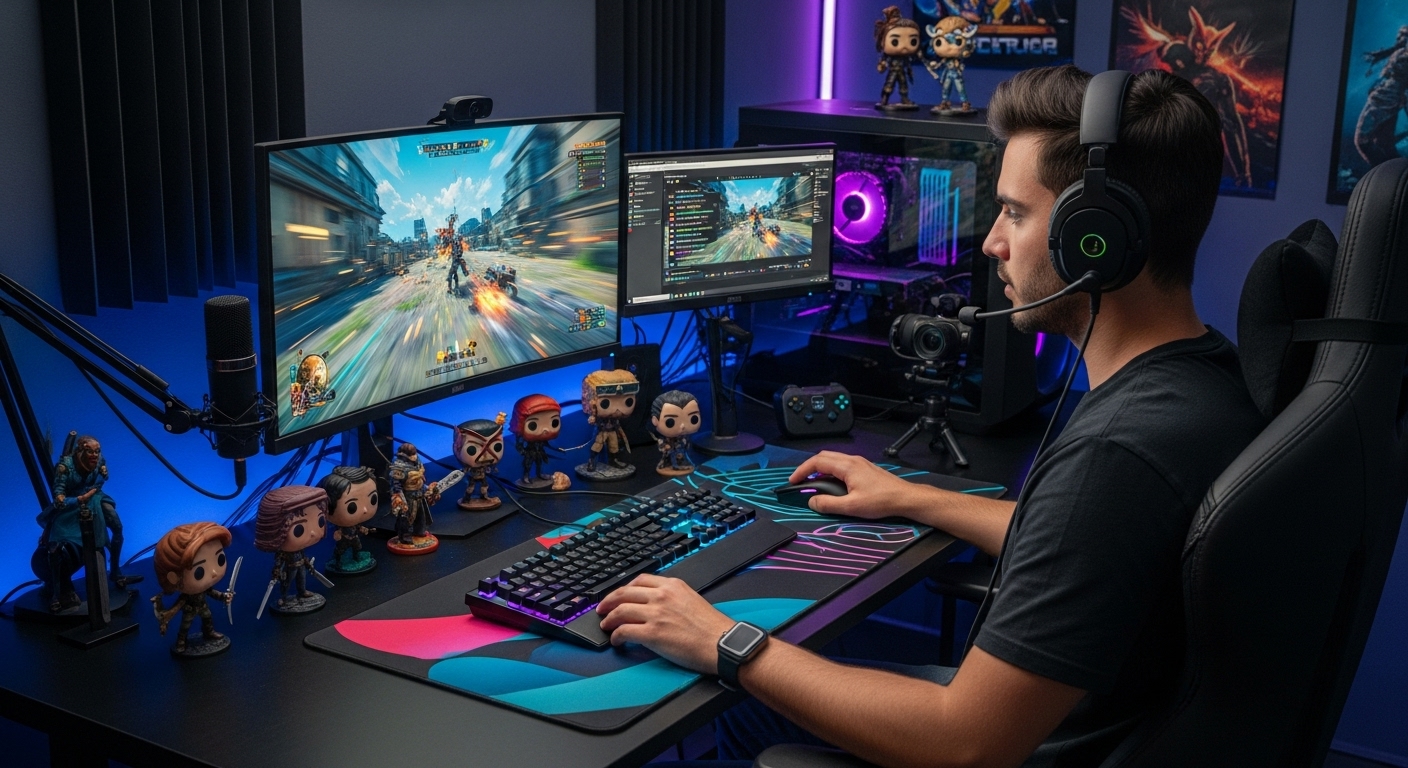
In the past, gaming was often seen as a solitary activity. However, the rise of online multiplayer games has transformed it into a global, interconnected experience. Titles like Fortnite, League of Legends, and World of Warcraft allow players to team up with friends or compete against others from around the world.
This shift has given rise to a new social dynamic where gamers create communities, form alliances, and share experiences. Esports, for example, has turned competitive gaming into a professional sport, with players, teams, and tournaments attracting millions of viewers globally. In addition, platforms like Twitch and YouTube have given rise to gaming influencers who not only entertain but foster massive online communities, creating spaces where people can connect, share, and celebrate their love of gaming.
The Accessibility Revolution: Gaming for Everyone
Gaming is also more accessible than ever before. In the past, gaming was often limited to those who could afford expensive consoles or high-powered PCs. Today, mobile gaming has opened up the world of interactive entertainment to a much broader audience. With smartphones in nearly every pocket, games like Clash of Clans, Candy Crush, and Among Us have attracted players from all walks of life, proving that gaming is not just for a niche group but for anyone with a few minutes to spare and a love for fun.
Moreover, the development of cloud gaming is helping to further democratize the gaming experience. Players no longer need powerful hardware to enjoy high-end games; instead, they can stream games directly from the cloud. This reduces the need for expensive consoles or PCs and ensures that the gaming experience is available to a wider audience than ever before.
The Role of Games in Learning and Development
Games aren’t just for entertainment; they are increasingly being used as tools for education and skill development. Educational games, or “edutainment,” have become a popular way to teach everything from history and geography to math and problem-solving. Games like Minecraft are being used in classrooms to teach creativity, collaboration, and design, while apps like Duolingo make language learning fun and interactive.
Even outside the classroom, games can help with personal development. Many games teach valuable skills such as strategic thinking, teamwork, and perseverance. For example, multiplayer games often require players to collaborate and communicate effectively to achieve common goals. Meanwhile, strategy games like Civilization or Starcraft require players to think several steps ahead, analyzing situations and making calculated decisions—skills that are transferable to real-life problem-solving scenarios.
The Future of Gaming: What’s Next?
As technology continues to evolve, the future of gaming promises even more exciting possibilities. Virtual reality (VR) and augmented reality (AR) are leading the charge, creating experiences that feel increasingly real. VR headsets, like the Oculus Rift and PlayStation VR, are already providing fully immersive gaming experiences, allowing players to step inside their favorite worlds and interact with them in unprecedented ways.
Meanwhile, augmented reality games like Pokémon Go are blurring the lines between the digital and physical worlds, encouraging players to explore their real-world surroundings while interacting with virtual elements. As both VR and AR technology improve, they will open up new avenues for gameplay, making it more immersive, interactive, and engaging than ever before.
In addition, the rise of artificial intelligence (AI) in games is making them more dynamic and responsive. AI can adapt the game world to the player’s actions, creating a unique experience every time the game is played. This could lead to more personalized and engaging stories, where no two players experience the same world in quite the same way.
Conclusion: The Endless Possibilities of Games
Games have come a long way since their inception, transforming from simple pastimes into intricate, immersive experiences that have become an essential part of our culture. They entertain, educate, and connect us, offering endless possibilities for exploration, creativity, and social interaction.
As gaming technology continues to advance, the medium will only grow more powerful, offering even more opportunities for players to immerse themselves in fantastical worlds, learn new skills, and connect with others. Whether for relaxation, competition, or personal development, games are more than just play—they are shaping the way we interact with the world, each other, and our own imagination.