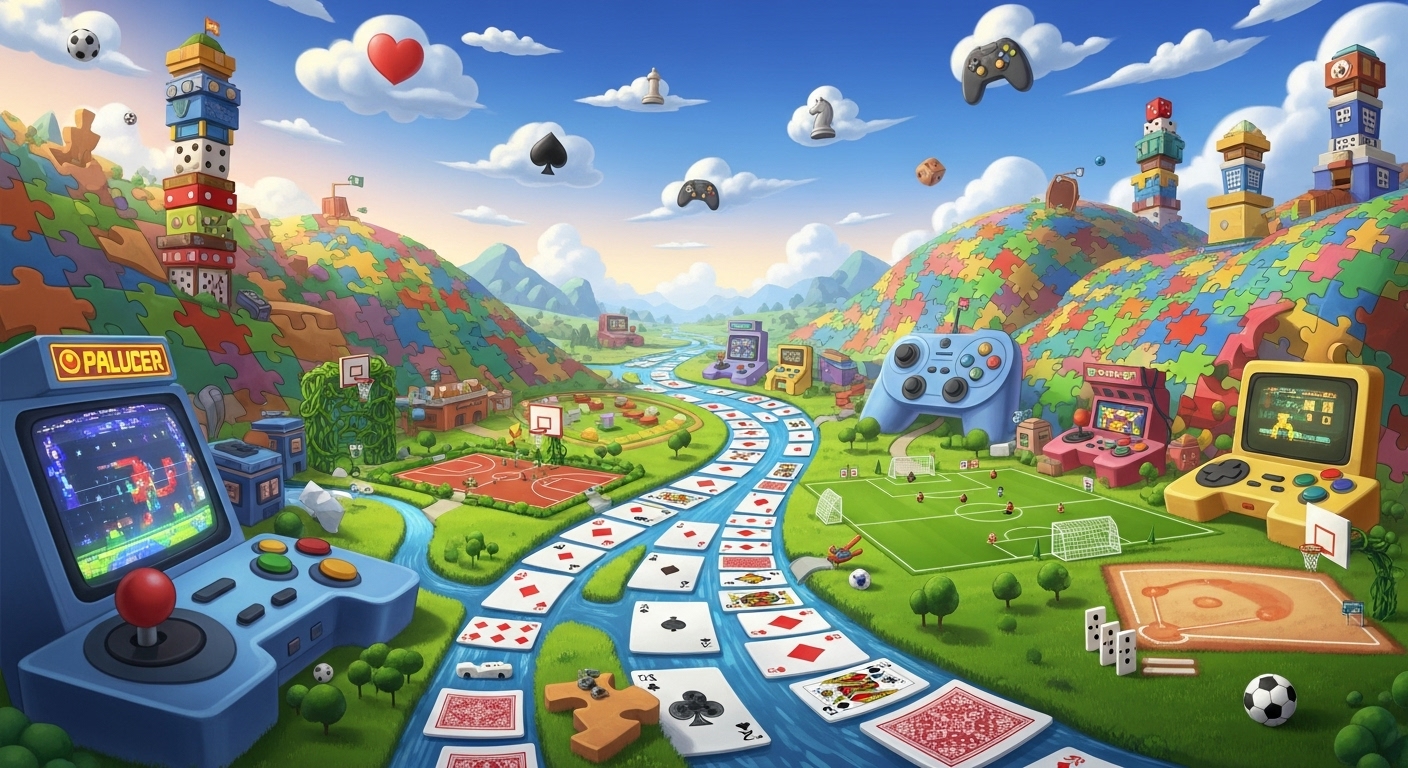
Games have always been a part of human culture, long before technology, screens, or controllers ever existed. They represent creativity, competition, and the desire for connection and achievement. Whether it’s children playing tag in a field, families gathered around a board game, or millions of players competing online in vast digital worlds, games are a universal form of expression and enjoyment. The evolution of games tells the story of human civilization, imagination, and innovation. This blog will explore the vast landscape of games, their history, psychology, and the role they play in our lives today.
The Ancient Roots of Gaming
The concept of playing is as old as humanity itself. Ancient civilizations developed games as a form of leisure, strategy, and education. Archaeologists have discovered game boards and pieces dating back thousands of years, indicating that humans have always been drawn to structured play. The Royal Game of Ur, originating in Mesopotamia around 2600 BCE, is one of the oldest known board games. It involved luck, strategy, and a deep sense of ritual, symbolizing the journey of life and fate.
Similarly, ancient Egypt had its own famous game called Senet, which represented the spiritual passage from life to the afterlife. The game was not only for entertainment but also held deep religious significance. In ancient China, Go (or Weiqi) became a test of intellect and patience, emphasizing strategy over chance. Meanwhile, in ancient India, the game Chaturanga laid the foundation for modern chess, combining warfare strategy and mental discipline.
Games in ancient times often reflected the values, beliefs, and hierarchies of their societies. They taught critical thinking, social interaction, and respect for rules. Even in their simplicity, these early games were profound tools for learning and social bonding.
The Birth of Traditional and Board Games
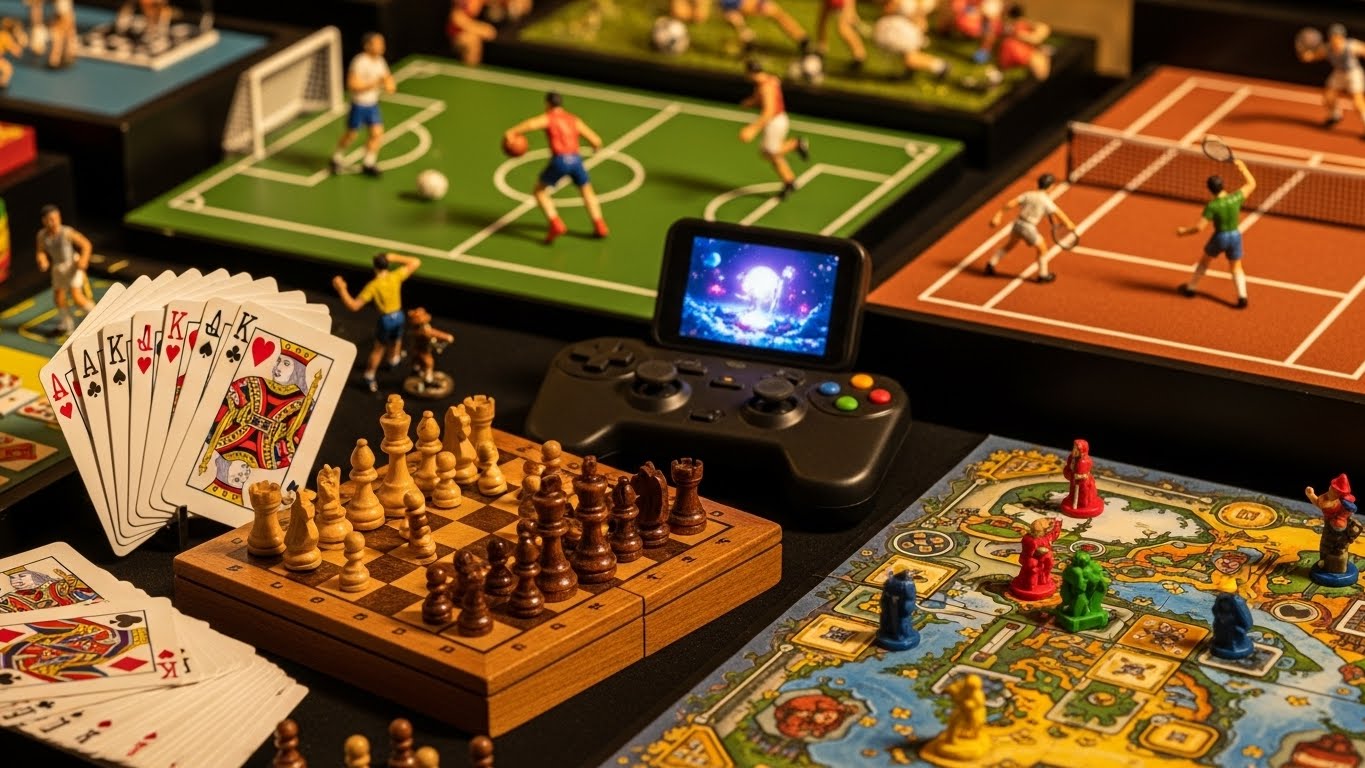
As human society advanced, so did the complexity of its games. The Middle Ages introduced games of chance and cards that spread through trade and cultural exchange. Playing cards, believed to have originated in China, made their way to Europe, where they evolved into the decks we know today. Chess, checkers, and backgammon became staples of intellectual entertainment, loved by both royalty and commoners alike.
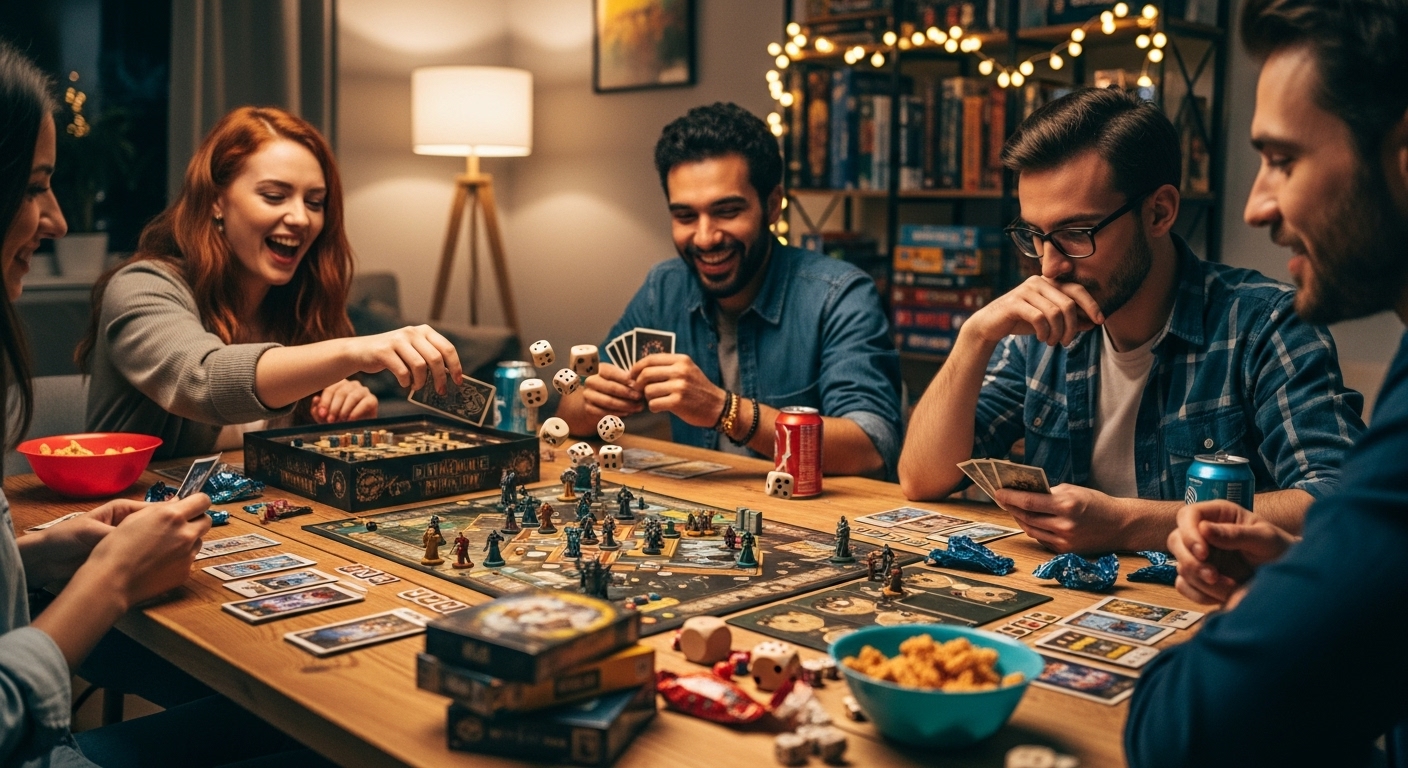
Board games, in particular, became a symbol of social gathering and family interaction. During the 19th century, mass production allowed for the creation of games that could be distributed widely. Monopoly, Scrabble, and Clue became household names, turning living rooms into miniature arenas of competition. Each game carried its unique theme and mechanics, teaching players about finance, vocabulary, logic, or deduction.
The beauty of traditional board games lies in their ability to bring people together. Unlike solitary forms of entertainment, board games require communication, observation, and emotional intelligence. They foster connections and laughter, creating shared experiences that often outlast the game itself.
The Rise of Sports as Physical Games
Parallel to board and social games, physical games evolved into what we now know as sports. The earliest athletic competitions were often tied to rituals or festivals, like the Olympic Games in ancient Greece, which celebrated physical prowess and divine honor. Sports became a unifying force, emphasizing teamwork, endurance, and fair play.
Over centuries, sports developed into a global phenomenon. Football, basketball, cricket, and tennis became not just games but entire industries, influencing culture, media, and national pride. They promote health, discipline, and teamwork, but also highlight issues like competition, fame, and even politics.
In modern times, sports are both a spectacle and a lifestyle. They bridge generations and cultures, offering everyone—from casual fans to professional athletes—a chance to engage, dream, and compete. The essence of a sport lies in its unpredictability and human emotion: the triumph of victory, the pain of loss, and the relentless pursuit of excellence.
The Digital Revolution: Birth of Video Games
The 20th century brought a new kind of game that changed everything—the video game. With the invention of computers and digital displays, the world of play entered an entirely new dimension. The first electronic games, such as Pong and Space Invaders, captured the imagination of players worldwide. Suddenly, anyone could control an object on a screen, creating a sense of interactivity that no other medium had provided before.
The 1980s and 1990s saw the golden age of gaming. Iconic franchises like Super Mario, The Legend of Zelda, and Sonic the Hedgehog transformed the gaming landscape. Home consoles became a staple in households, and arcades became cultural landmarks where friends competed for high scores.
As technology advanced, games grew in scale and storytelling. What began as simple pixels evolved into rich 3D worlds filled with narrative depth, emotion, and lifelike characters. Developers began treating video games as a form of art—a medium capable of storytelling on par with films and literature. Titles like Final Fantasy, Metal Gear Solid, and The Last of Us demonstrated that games could evoke profound emotional responses while still being interactive experiences.
The Power of Storytelling in Games
One of the most remarkable aspects of modern gaming is its ability to tell stories. Unlike movies or books, games allow players to live the story. They can make choices, face consequences, and influence outcomes. This interactivity creates a deeper emotional investment.
Role-playing games (RPGs) such as The Witcher, Skyrim, and Mass Effect allow players to explore vast worlds while shaping their own narratives. Meanwhile, indie games like Journey or Undertale prove that even small teams can create deeply emotional and artistic experiences. These games explore love, loss, identity, and morality in ways that traditional media often cannot.
The best stories in gaming are not just about heroes and villains but about human choices, empathy, and transformation. Players connect with characters, feel the weight of their decisions, and reflect on their own lives through virtual experiences.
Online Gaming and the Rise of Communities
The arrival of the internet revolutionized gaming once again. Online multiplayer games turned gaming into a social experience, connecting millions of players across the world. Titles like World of Warcraft, Counter-Strike, and Fortnite redefined what it means to play together.
These virtual communities became places of friendship, teamwork, and even rivalry. Gamers began forming clans, guilds, and esports teams, blurring the line between hobby and profession. Online gaming also fostered creativity through mods, custom maps, and player-generated content, proving that gaming is as much about creation as it is about consumption.
However, online gaming also brought challenges. Issues like toxicity, addiction, and cyberbullying emerged, raising questions about responsibility and digital well-being. Yet, despite these hurdles, online gaming remains a powerful example of global connection and shared experience.
The Emergence of Esports
What was once considered simple entertainment has now become a global industry: esports. Professional gamers compete in organized tournaments watched by millions of fans worldwide. Games like League of Legends, Dota 2, and Counter-Strike: Global Offensive have transformed competitive gaming into a legitimate career path.
Esports events fill stadiums and attract sponsorships comparable to traditional sports. Players train for hours each day, strategize with coaches, and represent professional organizations. The rise of streaming platforms has allowed fans to follow their favorite players and teams, creating a vibrant culture around competitive gaming.
Esports also symbolize the evolution of how society perceives gaming. What was once dismissed as a pastime is now recognized as a discipline requiring skill, teamwork, and mental agility. It reflects how deeply integrated games have become in our modern culture.
Mobile Gaming and Accessibility
With the advent of smartphones, gaming became truly universal. Mobile games brought entertainment to the fingertips of billions. Titles like Candy Crush, Clash of Clans, and PUBG Mobile made gaming accessible to people of all ages and backgrounds.
Unlike console or PC games that require specific hardware, mobile games only need a phone—something most people already have. This accessibility has made gaming one of the largest industries in the world. It also introduced new business models such as free-to-play games with in-app purchases, changing how games are developed and monetized.
Mobile gaming’s simplicity has helped it reach audiences who might never have considered themselves “gamers.” It proves that games can be enjoyed anytime, anywhere, without barriers.
The Psychology of Gaming
Games are more than entertainment; they are deeply psychological experiences. They tap into basic human motivations—achievement, social interaction, and exploration. When players complete a level, solve a puzzle, or win a match, their brains release dopamine, the chemical associated with pleasure and reward.
This makes games highly engaging and, at times, addictive. However, gaming can also be positive for mental health. It can relieve stress, improve cognitive skills, and provide a sense of accomplishment. Cooperative games foster teamwork and empathy, while story-driven experiences encourage reflection and creativity.
Psychologists have found that games can even improve real-world problem-solving abilities. Strategic games enhance planning and adaptability, while simulation games improve multitasking and decision-making. The key lies in balance—when gaming is enjoyed responsibly, it becomes a tool for growth rather than a source of escape.
The Role of Technology in Shaping the Future of Games
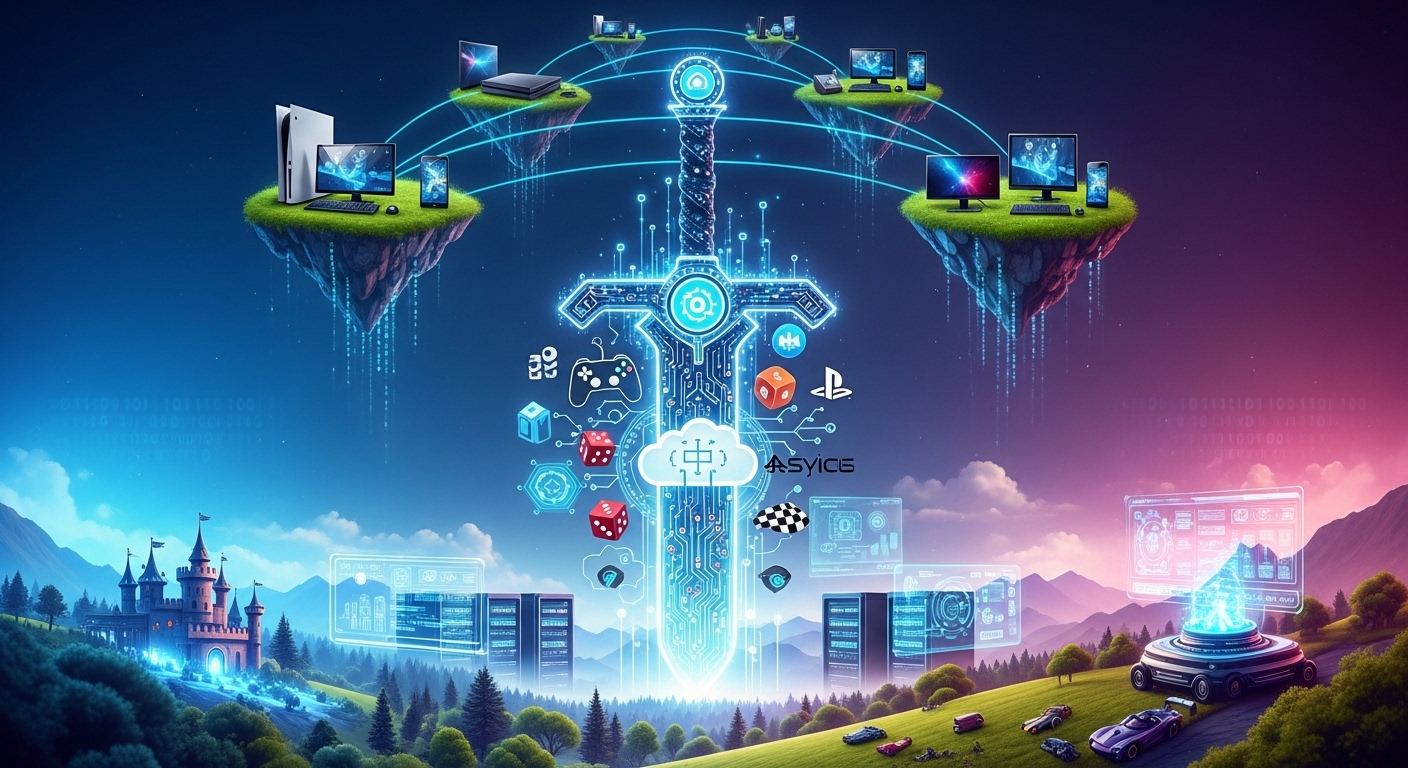
The future of gaming is being shaped by incredible technological advancements. Virtual Reality (VR) and Augmented Reality (AR) are pushing the boundaries of immersion. Players can now step inside the game world, interact with environments, and experience stories as if they are truly there.
Artificial Intelligence is revolutionizing how games respond to players. Enemies adapt to tactics, companions develop unique personalities, and storylines change based on decisions. Cloud gaming is making high-quality titles accessible without expensive hardware, democratizing access for players everywhere.
The integration of gaming with other technologies—such as blockchain, haptics, and brain-computer interfaces—suggests that the games of the future will be even more interactive and personalized.
Educational and Therapeutic Applications of Games
Beyond entertainment, games have found meaningful roles in education and therapy. Educational games teach history, science, and language in interactive ways that traditional methods cannot. They engage students through participation rather than passive learning.
Therapeutic games help patients recover motor skills, manage anxiety, or cope with trauma. For instance, virtual reality therapy uses immersive simulations to treat phobias or PTSD. Serious games designed for training professionals—such as pilots, surgeons, and soldiers—use gamified systems to enhance learning and decision-making.
These examples show that gaming is not just play—it is a versatile medium with endless potential for social good.
The Cultural Impact of Gaming
Gaming has become one of the most influential cultural forces of the 21st century. It shapes music, fashion, language, and even storytelling across other media. Game soundtracks are celebrated like film scores, and characters like Mario, Lara Croft, and Master Chief have become global icons.
Gaming conventions attract thousands of fans, celebrating creativity and community. Cosplay, fan art, and streaming have turned gaming into a social ecosystem. The blending of gaming with pop culture has made it one of the most dominant entertainment industries in the world.
Conclusion: The Infinite Game of Humanity
Games are more than distractions or hobbies—they are reflections of who we are as humans. They encapsulate our creativity, curiosity, and competitive spirit. From the carved stones of ancient Egypt to the digital worlds of today, games have evolved alongside humanity, adapting to every era’s values and technology.
They teach us how to think, collaborate, and dream. Whether we play for fun, learning, or professional competition, games remind us that play is essential to being human. As technology continues to advance, one truth remains constant: games will always be a part of us, shaping how we interact, imagine, and experience the world.