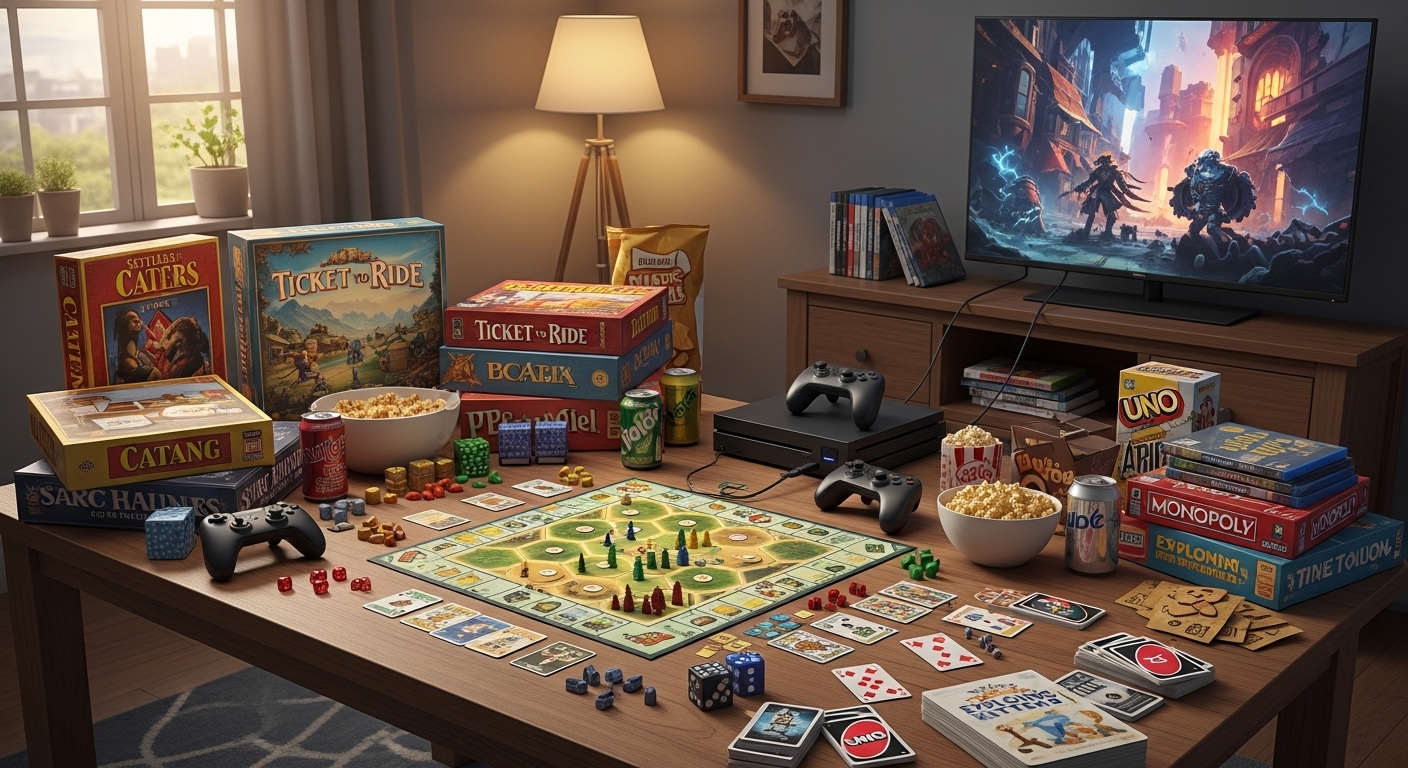

Introduction: Games as a Universal Human Experience
Games are an integral part of human culture, serving as entertainment, education, and social connection for thousands of years. From ancient board games to modern digital experiences, they provide opportunities for creativity, strategy, and competition. Games transcend age, culture, and geography, offering experiences that range from casual enjoyment to deeply immersive adventures. Understanding the history, impact, and evolution of games allows us to appreciate their role in shaping human interaction, technology, and culture.
The Origins of Gaming: Ancient Pastimes
The concept of gaming has existed since the dawn of civilization. Archaeological evidence suggests that games were played in Mesopotamia, Egypt, China, and India thousands of years ago. Ancient board games like Senet in Egypt and Go in China were not merely entertainment—they were tools for teaching strategy, patience, and decision-making. Dice games and competitive contests also played a role in social rituals, reflecting cultural values and hierarchies. These early forms of gaming established fundamental principles still evident in modern games, such as turn-based strategy, skill development, and competition.
Board Games: Strategy and Social Interaction
Board games have been a cornerstone of gaming for centuries. Games like Chess, Checkers, and Backgammon emphasize strategic thinking and critical decision-making. Modern board games have expanded to include cooperative gameplay, storytelling, and immersive themes, offering experiences that appeal to both casual players and enthusiasts. Board games foster face-to-face interaction, teaching teamwork, patience, and communication skills. They also serve as a cultural mirror, reflecting societal norms, challenges, and values. The resurgence of tabletop gaming in recent years highlights its enduring appeal and relevance.
The Rise of Video Games: A New Era of Entertainment
The late 20th century marked a revolutionary shift in gaming with the introduction of video games. Early arcade games like Pong and Space Invaders captured the imagination of players worldwide, offering interactive entertainment unlike anything before. Home consoles such as the Nintendo Entertainment System and Sega Genesis brought gaming into living rooms, establishing franchises that remain iconic today. Video games evolved rapidly with technological advancements, incorporating more complex gameplay, richer narratives, and improved graphics, transforming them into immersive experiences that rival traditional media.
PC Gaming: Creativity and Innovation
Personal computers introduced versatility and customization to gaming. PC games allowed developers to explore large open worlds, complex mechanics, and high-quality graphics. Titles like Doom, Warcraft, and The Sims pushed boundaries in genres ranging from action and strategy to simulation and role-playing. PC gaming also encouraged modding, enabling players to create new experiences or modify existing games, fostering creativity and community engagement. Online distribution platforms further expanded accessibility, allowing players to explore diverse games from around the world, contributing to the growth of a global gaming culture.
Mobile Gaming: Entertainment Anywhere
The rise of smartphones revolutionized gaming, making it accessible anytime and anywhere. Mobile games like Angry Birds, Candy Crush, and Pokémon Go introduced intuitive controls and casual gameplay that appealed to a broad audience. Mobile gaming also incorporated innovative features such as location-based experiences and touch-based mechanics. Its convenience and accessibility have contributed to a massive expansion of the gaming audience, making games an everyday activity for millions. Mobile platforms continue to innovate, merging augmented reality and social interaction into engaging experiences.
Online Multiplayer Gaming: Connecting Players Globally
The advent of online multiplayer gaming transformed the social dimension of gaming. Games like World of Warcraft, Counter-Strike, and Fortnite allow players to connect globally, fostering friendships, rivalries, and collaborative communities. Online platforms enable cooperative play, competitive tournaments, and virtual social interaction, creating spaces for shared experiences. eSports has emerged as a professional industry, showcasing competitive gaming with large audiences, prize pools, and sponsorships. Online multiplayer gaming demonstrates how games have evolved from solitary entertainment to social platforms with global reach.
The Role of Storytelling in Games
Modern games are not just about mechanics—they are a medium for storytelling. Narrative-driven games such as The Last of Us, Red Dead Redemption, and The Witcher series combine immersive gameplay with compelling stories. Players influence outcomes, interact with characters, and make decisions that shape the narrative, creating a deeply personal experience. Interactive storytelling allows games to explore complex emotions, ethical dilemmas, and social themes, offering a form of engagement that goes beyond passive entertainment. This evolution highlights gaming as a legitimate form of art and expression.
The Impact of Technology on Gaming
Technological advancements have been central to the evolution of games. High-definition graphics, realistic physics engines, and advanced audio design enhance immersion and realism. Virtual reality and augmented reality create fully interactive environments, engaging players in ways traditional games cannot. Artificial intelligence improves non-player character behavior and dynamic gameplay, adding depth and unpredictability. Cloud gaming allows players to access high-quality games without specialized hardware, making gaming more accessible. Technology continues to expand creative possibilities, transforming both the design and experience of games.
Psychological and Educational Benefits of Gaming
Beyond entertainment, games offer cognitive, social, and emotional benefits. Strategic games improve problem-solving, critical thinking, and planning skills. Multiplayer and cooperative games teach communication, collaboration, and leadership. Many games provide educational value, simulating historical events, scientific concepts, or real-world challenges. Games can also serve as therapeutic tools, offering stress relief and social interaction for players of all ages. Responsible gaming fosters skill development, mental agility, and social engagement, demonstrating that games have meaningful value beyond fun.
Games as a Cultural Force
Games are more than leisure—they influence culture and society. They inspire art, music, fashion, and language, shaping trends and shared experiences. Iconic franchises like Mario, Pokémon, and Final Fantasy create cultural touchstones that connect people across generations. Gaming communities form around shared interests, conventions, and online platforms, fostering social bonds and collaboration. Games also explore themes of morality, identity, and society, providing spaces for reflection and dialogue. They are a cultural force, reflecting human creativity, values, and imagination.
The Future of Gaming
The future of gaming promises innovation and expansion. Virtual and augmented reality will enhance immersion, allowing players to experience fully interactive worlds. Artificial intelligence will create smarter, more responsive environments and characters. Cross-platform play and cloud gaming will break down accessibility barriers, enabling seamless experiences across devices. Games will become increasingly personalized, adapting to player preferences and providing unique experiences. As technology and creativity evolve, gaming will continue to redefine entertainment, education, and social interaction, offering limitless possibilities for engagement.
Conclusion: Games Beyond Play
Games are a reflection of human creativity, culture, and connection. From ancient board games to modern digital experiences, they have evolved into complex, immersive forms of entertainment that engage minds, foster relationships, and inspire imagination. Games are more than a pastime—they are a medium for learning, storytelling, and cultural expression. As gaming continues to innovate and expand, it will remain a vital part of human life, offering experiences that entertain, challenge, and connect people across the globe. The world of games is not just about play—it is a testament to human ingenuity and the enduring power of imagination.