
Introduction: The Thriving Universe of Gaming
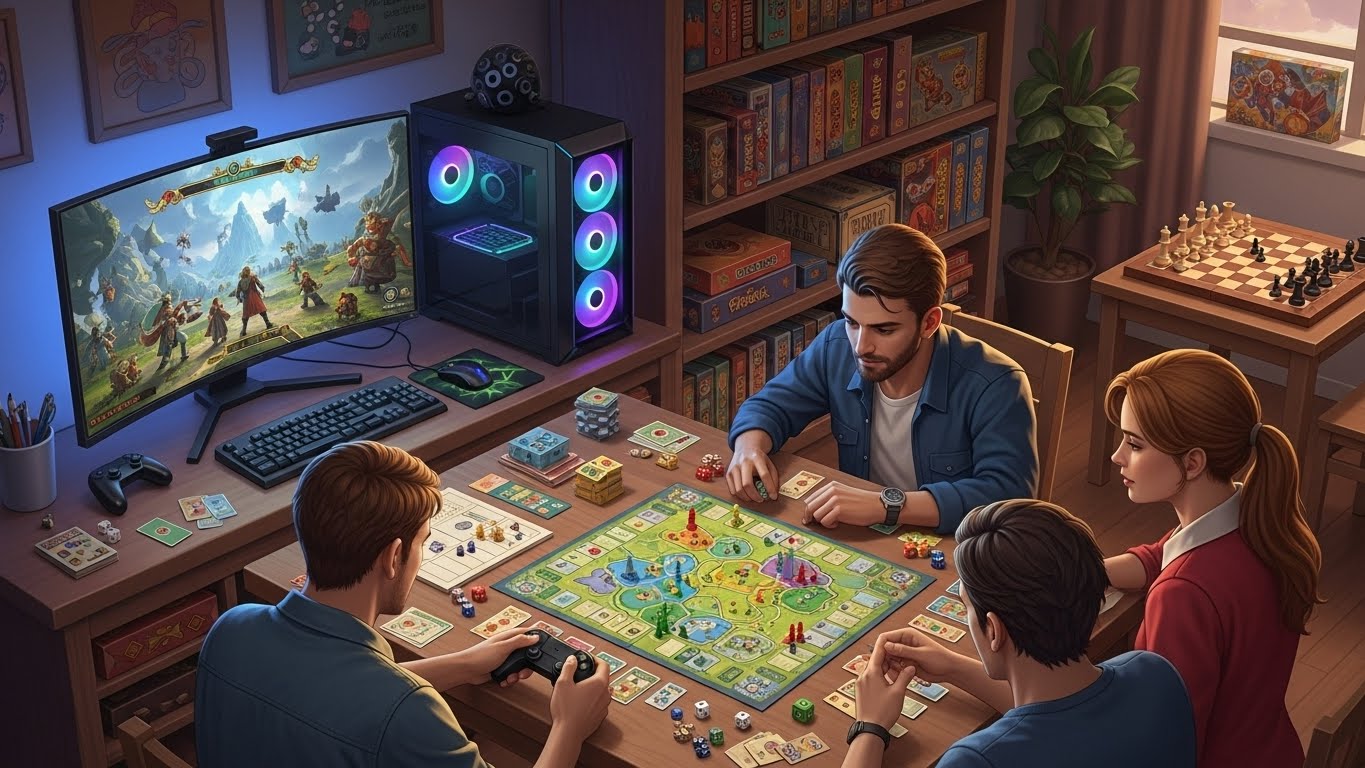
Over the last few decades, gaming has evolved from a niche hobby to one of the most influential cultural phenomena in the world. What started with pixelated graphics and simple gameplay has now transformed into a highly sophisticated, immersive experience that attracts millions of players globally. Video games have grown far beyond entertainment, becoming an integral part of modern culture, influencing art, storytelling, social interactions, and even the economy.
Whether it’s exploring vast open worlds, competing in multiplayer tournaments, or immersing oneself in virtual reality, gaming has something for everyone. In this blog post, we’ll explore the evolution of video games, the trends that are currently shaping the industry, and what the future holds for interactive entertainment.
The Evolution of Video Games: From Pixels to Realism
The journey of video games began in the 1950s and 1960s, with rudimentary games created for academic and experimental purposes. One of the first notable games, Spacewar!, was created in 1962 by Steve Russell, a student at MIT. As gaming technology advanced through the 70s and 80s, arcade machines became the primary medium for gaming, with titles like Pong and Pac-Man capturing the attention of millions.
The real turning point came in the mid-80s and early 90s with the rise of home consoles. The Nintendo Entertainment System (NES), released in 1985, ushered in a new era of gaming. This was followed by iconic games such as Super Mario Bros. and The Legend of Zelda, which not only defined a generation but also laid the groundwork for the sprawling, immersive worlds that would follow.
As technology continued to improve, so did the graphics, mechanics, and storytelling capabilities of video games. The 3D graphics of the PlayStation in the mid-90s and the advent of online multiplayer games marked another leap forward. Games like Final Fantasy VII and Gran Turismo showcased the incredible potential of gaming as a storytelling medium, while titles such as GoldenEye 007 and Halo revolutionized online multiplayer gaming.
By the 2000s, the gaming industry had grown exponentially. Consoles such as the Xbox 360, PlayStation 3, and Nintendo Wii introduced new ways to interact with games, from motion controls to high-definition graphics. The advent of mobile gaming, driven by the rise of smartphones, also opened up gaming to a whole new audience, making it more accessible than ever before.
The Rise of Online Gaming and Multiplayer Experiences
One of the most significant changes in the gaming landscape over the past two decades has been the rise of online gaming. In the early days of video games, most experiences were limited to single-player modes or local multiplayer with friends. However, the internet revolutionized gaming by allowing players from across the globe to connect and compete in real-time.
Online multiplayer games like World of Warcraft, Counter-Strike, and Call of Duty brought people together to play in vast, shared digital worlds. The social aspect of gaming became more important, with players joining clans, teams, and guilds, creating new communities that extended far beyond the screen. Massively multiplayer online role-playing games (MMORPGs), such as World of Warcraft, turned gaming into an ongoing, immersive experience that could last for years.
The growth of eSports also paralleled the rise of online gaming. Competitive gaming, once considered a niche hobby, has now evolved into a global industry with professional leagues, tournaments, and millions of dollars in prize money. Games like League of Legends, Dota 2, and Fortnite have not only become cultural touchstones but also have attracted millions of viewers, turning eSports into a legitimate spectator sport.
Online gaming has also given rise to the live streaming phenomenon, with platforms like Twitch and YouTube Gaming allowing players to broadcast their gameplay to a global audience. Gaming has become not only a form of entertainment but also a career path for many aspiring content creators.
Gaming Genres: A World of Variety and Innovation
The video game industry is incredibly diverse, offering a wide range of genres that appeal to players with different tastes and interests. From fast-paced action games to thought-provoking puzzles, there’s no shortage of options for players seeking a unique experience. Below, we explore some of the most popular gaming genres and how they’ve evolved over time.
Action and Adventure
The action and adventure genres have always been the cornerstone of gaming. These games focus on exploration, combat, and problem-solving, often set in expansive, open worlds. Over the years, games like The Legend of Zelda, Tomb Raider, and Uncharted have set the standard for action-adventure gameplay.
In recent years, the lines between action and adventure have blurred, with many games combining both elements. Titles like Red Dead Redemption 2 and The Witcher 3: Wild Hunt have introduced more sophisticated narratives, with cinematic storytelling and morally complex choices that make players feel like they are part of an evolving story.
Role-Playing Games (RPGs)
RPGs are another pillar of the gaming world. These games allow players to step into the shoes of a character, often in a fantasy or science fiction setting, and experience a deeply immersive story. Final Fantasy, The Elder Scrolls, and Mass Effect are just a few examples of RPGs that have captured the imaginations of players around the world.
One of the key features of RPGs is the leveling up system, where characters improve their abilities as they progress through the game. This gives players a sense of accomplishment and investment in the game world, as they watch their characters grow and change. The genre has expanded in recent years, with new subgenres such as action RPGs (e.g., Dark Souls) and open-world RPGs (e.g., The Witcher 3).
First-Person Shooters (FPS)
First-person shooters are among the most popular genres in gaming, focusing on gunplay and combat from a first-person perspective. Games like Doom, Halo, and Call of Duty have defined the genre, with fast-paced gameplay and multiplayer modes that emphasize teamwork and strategy.
Recent FPS games have introduced more immersive and tactical gameplay, as seen in titles like Overwatch, Rainbow Six Siege, and Apex Legends. The rise of battle royale games, such as Fortnite and PlayerUnknown’s Battlegrounds (PUBG), has further shaped the FPS landscape, creating intense, large-scale multiplayer battles where players fight to be the last one standing.
Simulation and Strategy
Simulation and strategy games offer a different type of gaming experience, focusing on planning, problem-solving, and resource management. Sim games like The Sims or SimCity allow players to simulate real-life activities, such as running a city or building a virtual life. Strategy games like StarCraft, Civilization, and Age of Empires challenge players to use their wits and tactical thinking to outsmart opponents and achieve objectives.
These genres have evolved significantly over the years, with more sophisticated mechanics and deeper gameplay. The rise of real-time strategy (RTS) and turn-based strategy (TBS) games has kept the genre fresh, appealing to players who enjoy complex decision-making and long-term planning.
Indie Games and Innovation
In recent years, the rise of indie games has brought a wave of innovation and fresh ideas to the gaming industry. These games, often developed by small teams or even individual creators, have introduced unique gameplay mechanics, art styles, and storytelling techniques. Games like Undertale, Hades, and Celeste have proven that indie developers can create titles that rival the quality of big-budget AAA games.
Indie games are often characterized by their creativity and willingness to experiment with new ideas. They provide players with experiences that may not be found in mainstream games, pushing the boundaries of what’s possible in interactive entertainment.
The Future of Gaming: Innovations on the Horizon
As technology continues to advance, the future of gaming looks incredibly promising. There are several exciting developments on the horizon that will further transform the way we play and experience video games.
Virtual Reality (VR) and Augmented Reality (AR)
Virtual reality and augmented reality are set to revolutionize the gaming experience. With VR headsets like the Oculus Rift and PlayStation VR, players can immerse themselves in fully realized digital worlds. The tactile, 360-degree nature of VR gaming makes it one of the most immersive forms of entertainment available today.
In addition to VR, augmented reality (AR) is also making waves, with games like Pokémon GO offering a new way to interact with the real world through gaming. As VR and AR technology continue to improve, we can expect even more immersive and interactive gaming experiences in the future.
Cloud Gaming
Cloud gaming is another trend that is likely to shape the future of the industry. With services like Google Stadia and Microsoft’s Xbox Cloud Gaming, players can stream games directly to their devices without the need for powerful hardware. This opens up gaming to a wider audience, allowing people to play AAA titles on devices like smartphones, tablets, and low-cost PCs.
As internet speeds improve and cloud gaming technology matures, the need for expensive consoles and PCs may diminish, allowing more people to access high-quality gaming experiences.
Artificial Intelligence (AI) and Procedural Generation
Artificial intelligence is already being used to enhance gaming experiences, particularly in the areas of NPC behavior, enemy AI, and game design. AI could be used to create more dynamic and responsive worlds, where