Introduction
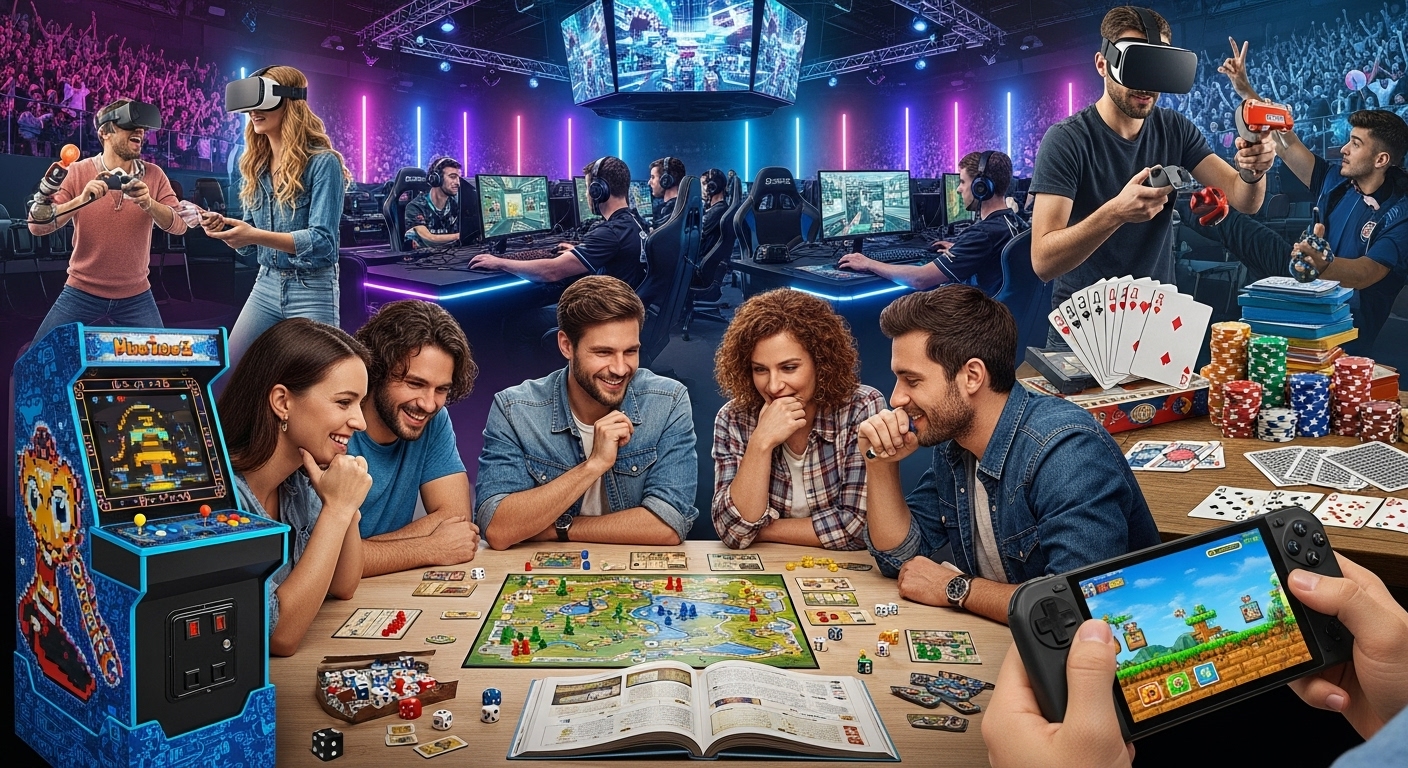
Games have always been an integral part of human culture. From ancient board games played in royal courts to modern video games that connect millions across the globe, games are more than just a pastime; they are a reflection of human creativity, strategy, and imagination. Over the years, the gaming landscape has evolved tremendously, introducing players to experiences that go far beyond simple competition. Today, games are not only a form of entertainment but also a medium for storytelling, problem-solving, and even social interaction. In this article, we delve into games that have stood out for their uniqueness, whether through mechanics, narrative, or overall concept.
The Rise of Innovative Board Games
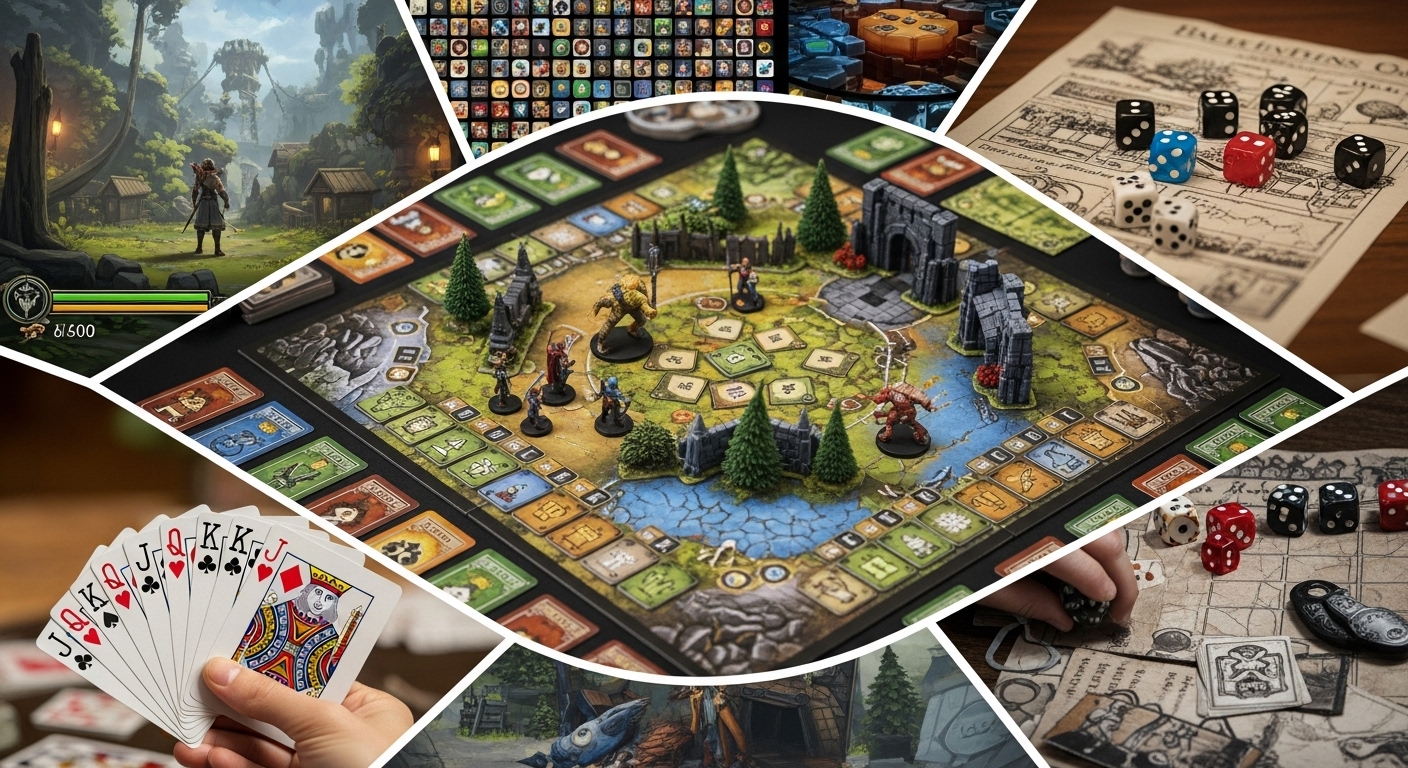
Board games have seen a remarkable resurgence in recent years. Once considered old-fashioned, they have transformed into a space for creativity and strategic thinking. Games like Codenames have redefined team-based wordplay, requiring players to think in abstract connections to succeed. Similarly, Gloomhaven offers an expansive narrative-driven experience where each decision alters the course of the game. Unlike traditional board games, which often rely solely on luck, these modern iterations emphasize critical thinking, collaboration, and long-term planning. The tactile nature of board games, combined with innovative mechanics, creates a sense of immersion that digital games often struggle to replicate.
Video Games as Experiential Art
While board games thrive on strategy and interaction, video games have pushed the boundaries of storytelling and visual artistry. Titles like Journey and Gris showcase how video games can evoke deep emotional responses through art, music, and gameplay rather than competitive elements. These games often focus on exploration and personal experience, allowing players to form a unique connection with the game world. The innovation here is not just technical but emotional, transforming video games from mere entertainment into a form of expressive art that can resonate with players on a profound level.
Puzzle Games That Challenge the Mind
Puzzle games have always held a special place in the gaming world, but certain titles have redefined what it means to challenge the mind. Games like The Witness and Baba Is You do not simply test reflexes; they test perception, logic, and creativity. The Witness, with its beautifully designed environments and intricate puzzles, requires players to observe and understand patterns in ways that go beyond conventional thinking. Baba Is You, on the other hand, turns the rules of the game into manipulable objects, allowing players to rethink the concept of constraints entirely. Such games highlight the intellectual depth that gaming can achieve, merging fun with cognitive exercise.
Sandbox Games and Player Freedom
Sandbox games have become a cornerstone of modern gaming, offering players unprecedented freedom to shape their experiences. Titles like Minecraft and Terraria allow for boundless creativity, encouraging players to explore, build, and experiment in worlds limited only by imagination. The uniqueness of these games lies in their open-ended design, which does not impose strict goals or linear narratives. Instead, they provide tools for players to create their own stories and challenges, turning gaming into a platform for personal expression. Sandbox games demonstrate how interactivity and creativity can merge to create experiences that are both engaging and deeply personal.
The Social Dimension of Gaming
Games have increasingly become social experiences, bringing together players from around the world. Multiplayer games such as Among Us and Fortnite thrive on communication, cooperation, and sometimes deception. Among Us, for example, transforms a simple social deduction game into a platform for social interaction, where trust and observation are key to success. Fortnite, with its ever-changing events and collaborative gameplay, has built a virtual community that transcends traditional gaming. These games illustrate that gaming is no longer an isolated activity but a social phenomenon that fosters connection and teamwork among diverse players.
Role-Playing Games and Immersive Storytelling
Role-playing games (RPGs) continue to captivate players with their ability to create immersive worlds and complex narratives. Titles such as The Witcher 3 and Disco Elysium offer rich storytelling experiences where player choices have significant consequences. The uniqueness of these games lies in their ability to blend gameplay with narrative depth, allowing players to inhabit fully realized characters and make decisions that shape their virtual world. RPGs highlight the power of games as a storytelling medium, where narrative depth, character development, and player agency converge to create unforgettable experiences.
Games That Blend Genres
Some of the most innovative games break traditional genre boundaries, creating hybrid experiences that defy categorization. Games like Hades combine action, roguelike elements, and storytelling to create a fast-paced yet narratively rich experience. Similarly, Slay the Spire merges card game mechanics with roguelike progression, offering a strategic challenge that is both addictive and rewarding. These genre-blending games demonstrate that innovation often arises when creators think outside conventional boundaries, challenging players to engage with familiar mechanics in entirely new ways.
Indie Games: Creativity Without Limits
Indie games have become a hotbed for experimentation and creativity. Unburdened by the commercial pressures of big studios, indie developers can explore unconventional ideas that might otherwise be overlooked. Titles like Hollow Knight and Celeste combine challenging gameplay with artistic storytelling, providing experiences that are both emotionally and mechanically satisfying. Indie games often take risks, whether through unique visual styles, innovative mechanics, or unconventional narratives, showing that gaming is not just about big budgets but about bold ideas.
The Educational Potential of Games
Beyond entertainment, games have significant educational potential. Titles like Kerbal Space Program teach players about physics, engineering, and problem-solving in a fun and interactive way. Similarly, historical games like Civilization allow players to explore the complexities of culture, strategy, and diplomacy. By merging learning with play, these games demonstrate that education does not have to be boring or rigid. Instead, games can create immersive learning experiences that are memorable, engaging, and intellectually stimulating.
The Future of Gaming Innovation
As technology continues to evolve, the future of gaming promises even more unique experiences. Virtual reality and augmented reality are already transforming how players interact with digital worlds, offering immersive experiences that blur the line between reality and fantasy. Artificial intelligence is enhancing game design, allowing for dynamic worlds that respond intelligently to player actions. Cloud gaming and streaming services are making games more accessible, opening the door for a new generation of players. The ongoing innovation in gaming suggests that the only limit is imagination, with future experiences likely to be more interactive, inclusive, and emotionally resonant than ever before.
Conclusion
Games have come a long way from their humble beginnings. They are no longer just a form of entertainment but a multifaceted medium that blends creativity, strategy, storytelling, and social interaction. Whether through board games, video games, puzzle games, or indie experiments, unique games continue to challenge conventions and redefine what it means to play. The evolution of gaming demonstrates the limitless potential of human creativity, proving that the joy of play is as powerful today as it has ever been. As we look to the future, one thing remains clear: games will continue to inspire, engage, and innovate, offering experiences that are as diverse and imaginative as the people who play them.